Get Full Government Meeting Transcripts, Videos, & Alerts Forever!
Get email alerts on the Ethnic Studies topic
No spam. Unsubscribe anytime.
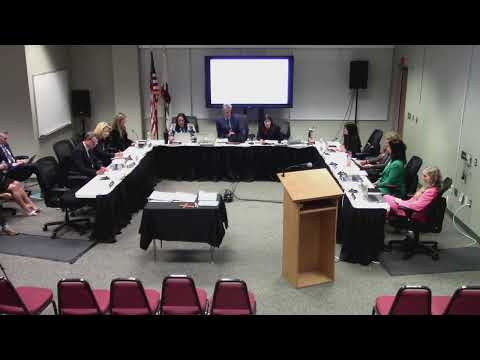
Carlsbad board hears hours of public debate over proposed ethnic studies elective
Summary
The Carlsbad Unified board heard an informational presentation on a proposed year‑long ethnic studies elective and a large, often heated public comment period. Supporters urged inclusion and cited student benefits; opponents warned of ideological framing and sought clearer guardrails. The board will hold an adoption hearing June 18.
School district staff presented a draft year‑long ethnic studies elective developed from the California Ethnic Studies Model Curriculum and work by a teacher working group and advisory committee. Dr. Brockett told trustees the course is intended as an elective for grades 9–12 and is not being recommended as a required graduation course tonight; adoption would follow a second public hearing and a June 18 vote.
Why it matters: AB 101 requires districts to offer an ethnic studies course in 2025–26; what that course looks like locally—and whether it becomes a graduation requirement later—has become politically charged statewide. Carlsbad’s draft emphasizes four core unit themes aligned with the state model, civil‑discourse skills, and an application unit for students to pursue community work.
The public response was large and sharply divided. Opponents, including Scott Davidson, argued the draft advances a politicized view of identity and warned it could promote a victim/oppressor framing tied to Critical Race Theory variants. Davidson told the board: “We now have the slides from that first class and all of the concepts of critical race theory from the model curriculum were taught as facts.”
Supporters including parents, teachers and students pushed back. Jennifer Zamora, who participated in the district’s parent working group, said the course “is not about division, it’s about inclusion,” and cited research showing ethnic studies can improve engagement and outcomes for struggling students. Multiple teachers and students described the draft’s focus on representation, history, and building empathy.
Board members pressed staff for specifics: grade level placement, semester vs. year‑long structure, how materials will be chosen and vetted, and what procedures will be available if families object to particular lessons or supplemental materials. Dr. Brockett said the draft uses the state model as its foundation, that teachers are working from supplemental materials rather than a single textbook, and that the district will post materials and collect more public feedback before bringing the course back for potential approval.
Next steps: Staff said they will post the full course materials and advisory feedback for public review and will return June 18 for a formal second public hearing and an adoption vote. Trustees also requested additional analyses including student survey results from the earlier Film Academy ethnic studies pilot and a summary of community feedback collected during the advisory process.
What’s still unresolved: grade‑level sequencing if the course becomes required, whether a one‑semester option could be organized to meet AB 101’s graduation requirement, and how to balance open classroom discussion on current events with protections for students of all backgrounds.
The presentation and ensuing public comment consumed much of the board’s meeting; staff emphasized the item tonight was informational and that no final action was taken on a graduation requirement.