Get Full Government Meeting Transcripts, Videos, & Alerts Forever!
Get email alerts on the Wastewater Funding topic
No spam. Unsubscribe anytime.
Finance Committee debates using short‑term rental tax to fund wastewater stabilization
Summary
Members weighed a proposal to dedicate 75% of short‑term rental tax receipts to a wastewater stabilization fund to finance the treatment plant, with some members favoring a higher share (80–85%) and others expressing concern about reducing the general fund cushion.
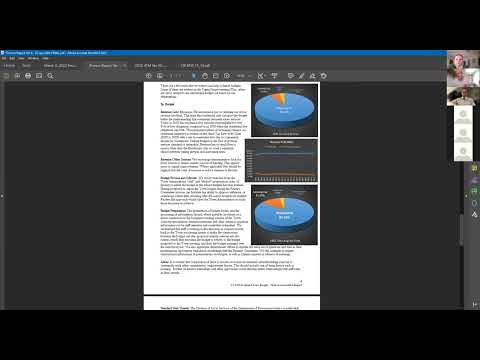
At the March 8 meeting the committee spent an extended period debating whether to allocate most short‑term rental tax receipts to a Wastewater Infrastructure Stabilization Fund intended to help pay for the town’s wastewater treatment plant. Bob (presenter/administrator) explained a proposal to direct 75% of short‑term rental receipts into the stabilization fund; he said the percentage is adjustable and that the intent is to create a sustainable revenue stream (an annual target of roughly $1.1–$1.2 million was discussed).
Committee members raised tradeoffs. Advocates said dedicating the short‑term rental revenue helps diversify the town’s revenue mix beyond property taxes and reduces the need to assess residential taxpayers for treatment plant costs; one member said using visitor‑generated receipts to pay for infrastructure makes the package easier to sell at town meeting. Other members worried that allocating so large a share would remove a cushion the general fund needs under Proposition 2½ and could make it politically easier for voters to reject later phases that would require assessments. Several members proposed higher allocations (80–85%) while at least one said they needed more time to consider the proposal.
Bob and staff clarified technical points: the Department of Revenue now reports short‑term rental receipts separately from hotel/motel receipts; the municipality is required to follow the act’s allocation mechanics and may amend percentages by warrant/article. The presenter emphasized that the stabilization fund would primarily target Phase One debt service (the treatment plant) so that later distribution/collection phases would not impose the plant cost directly on residential ratepayers.
The committee agreed to continue deliberations and defer a final percentage recommendation until members have time to review background materials and town meeting schedule constraints. Staff will provide the committee with the short‑term rental vs. hotel/motel reporting numbers and any supporting calculations before the March 15 public hearing so the Board of Selectmen and voters can see the intended allocation and impacts.