Get Full Government Meeting Transcripts, Videos, & Alerts Forever!
Get email alerts on the Local Budgeting topic
No spam. Unsubscribe anytime.
Calabasas staff urge sales‑tax ballot measure, say 1 cent could raise about $5.3M a year
Summary
City staff told the Planning Commission a local one‑cent sales‑tax could generate about $5.3 million annually, help close a projected structural deficit and keep local services intact; commissioners debated cuts, outreach costs and the political risk of declaring a fiscal emergency to reach a June ballot.
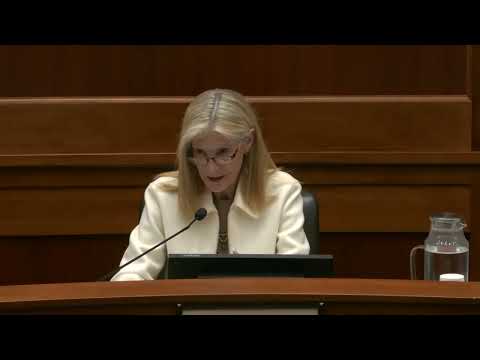
City staff told the Calabasas Planning Commission on Nov. 20 that a one‑cent local sales‑tax measure could generate about $5.3 million a year and is being considered to shore up a projected structural deficit.
The presentation, given by Kendon and a city financial consultant identified as Scott, said the city faces a structural gap that could deplete reserves within five to six years unless new revenue or deep cuts are adopted. "There is some urgency with making a decision by the voters," the presenter said, noting the current Los Angeles County sales‑tax cap is 10.75 percent and that if the county or another taxing entity claims the remaining 1 percent, Calabasas would lose that revenue opportunity.
Why it matters: staff said the gap is driven largely by costs outside city control — higher law‑enforcement contract charges, energy and vendor costs — while salary increases have been modest. The city manager and finance staff presented options and argued a local sales tax captures spending by nonresidents who shop or dine in Calabasas. Scott told the commission a one‑cent measure was estimated by the city’s sales‑tax consultant (HDL) to yield about $5.3 million annually; a 0.75‑cent option was estimated at about $4.0 million.
What staff proposed: the council is scheduled to see survey results on Dec. 3 and must decide whether to put the measure to voters on the June 2026 or November 2026 ballot. Staff warned that placing a city initiative on the June primary typically requires the council to declare a fiscal emergency to meet election deadlines. "If Calabasas does not claim that 1% we run the risk of the county or any other entity taxing entity coming in claiming that 1%," a staff presenter said.
Commissioner concerns and answers: commissioners pressed staff on alternatives and budget controls. Staff said several internal steps have been taken — a hiring freeze, elimination of some contracts and one‑time reserve use — but argued the structural gap would remain without new revenue. When asked whether building‑safety fee over‑collections could plug the gap, staff said those fees are restricted by statute to building‑safety operations. On outreach costs, the city said it has allocated roughly $50,000 for statistically valid polling and about $35,000 for outreach and design work; if the measure went on the June consolidated election there could be an additional LA County election consolidation charge (roughly $100,000, per staff estimate).
What’s next: staff asked commissioners to help educate property owners and residents about county parcel taxes and the potential local benefits of capturing the 1 percent. The City Council will review survey results Dec. 3 and decide whether to place a measure on the June or November 2026 ballot. If council opts for a June submittal, a fiscal‑emergency declaration would likely be required to meet timelines.
The commission did not take a formal vote on placing a measure; the presentation was a staff briefing and the council, not the commission, will decide how to proceed.