Get Full Government Meeting Transcripts, Videos, & Alerts Forever!
Get email alerts on the Gravel Policy topic
No spam. Unsubscribe anytime.
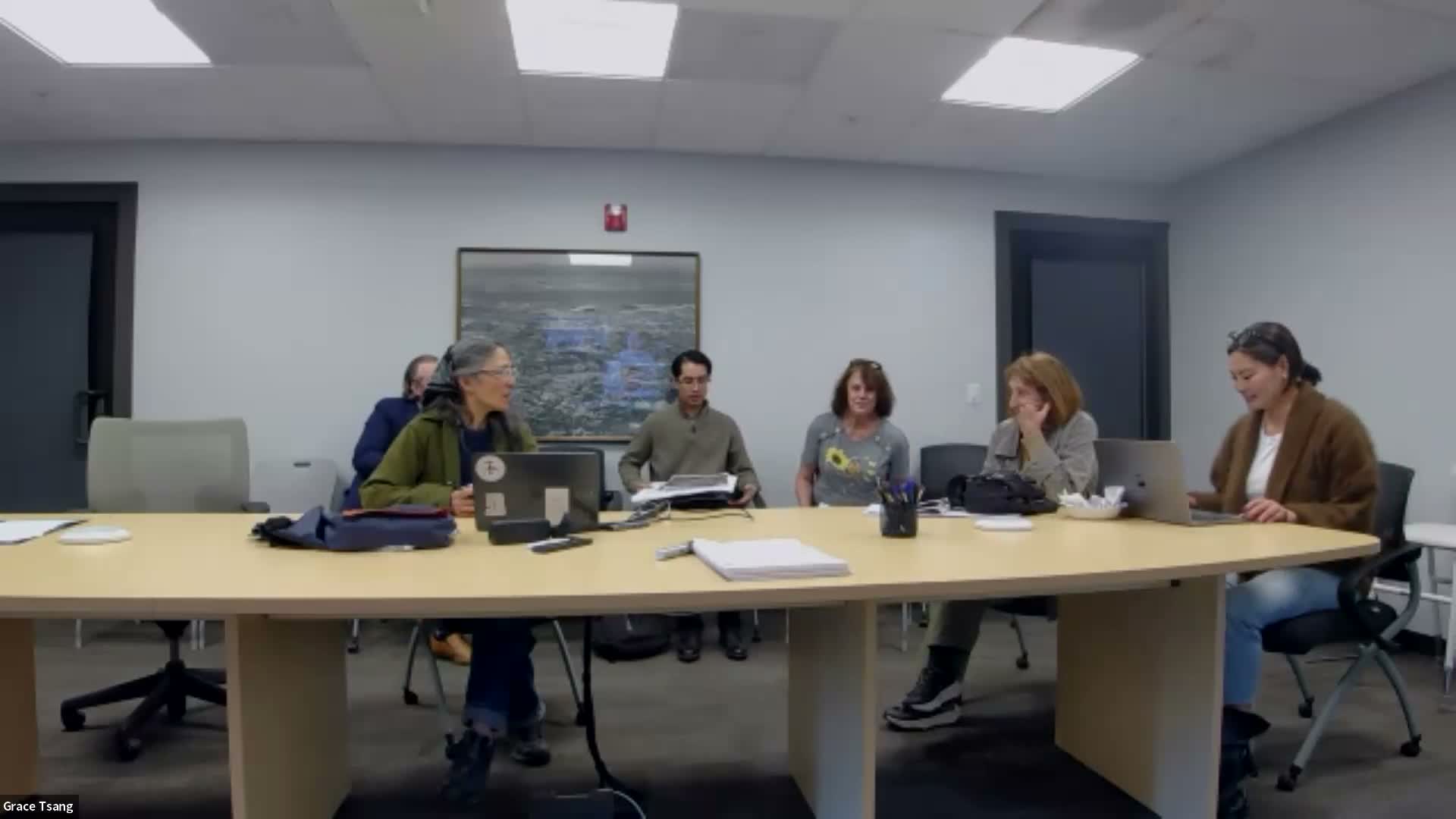
Los Altos Hills committee hears call to redefine gravel so it won’t count as full lot coverage
Summary
A landscape architect urged the town to treat loose, no‑fines gravel as permeable and to exclude certain defensible‑space gravel from maximum development area calculations; staff and members agreed to agendize the item for formal review after a motion passed to allow discussion at this meeting.
Susan Landry, a landscape architect, told the Environmental Design & Planning Committee that gravel can be a safer substitute for wood mulch in defensible space because “Cal Fire is very clear, zone 0, no wood mulch.” She asked the committee to clarify how the town defines gravel so loose, coarse, no‑fines material on non‑compacted subgrade would be treated as permeable and not counted toward the town’s maximum development area (MDA).
Staff explained the current practice: concrete and asphalt count 100% toward MDA, gravel patios wider than 4 feet have historically been counted at 50%, and walkways under 4 feet are not counted. Members noted an imbalance with artificial turf, which receives a substantial credit despite permeability concerns, and said that the policy may be outdated.
The committee debated technical factors that affect whether gravel should be considered permeable, including particle size, the presence of fines, landscape fabric, and subgrade compaction. Landry recommended a specification such as 3/4"–1½" sized rock, “no fines,” and a limit on compaction to preserve permeability. Members discussed using a permeability test or driveway‑formula approach as a possible measurement tool.
Fire‑safety tradeoffs were central: speakers agreed that the 0–5 foot zone near structures should exclude wood mulch and that the wider 5–30 foot defensible area requires nuance to avoid incentivizing “all gravel” yards that could increase heat or runoff and reduce habitat. Committee members flagged color/reflectivity, drainage and maintenance as additional concerns to weigh in any policy change.
Procedurally, the committee voted to add the item to the meeting agenda by motion so members could discuss it immediately; staff said any formal code change would need follow‑up steps through planning commission and city council. The presenters said they will submit project materials and additional technical detail (including compaction and reflectivity data) to inform drafting of any ordinance changes.
The next procedural step is staff and committee follow‑up to evaluate options for treating certain gravel installations as lower or zero percent of MDA, paired with revised fire‑prevention standards and specific technical criteria. No change to the municipal code was adopted at the meeting.