Get Full Government Meeting Transcripts, Videos, & Alerts Forever!
Get email alerts on the Maternal Health topic
No spam. Unsubscribe anytime.
Community nonprofit reopens Grove on Patterson as a mom‑and‑baby recovery house
Summary
Organizers said the Grove on Patterson reopened after a 2022 closure to provide a homelike recovery program for pregnant and parenting women, centering the mother–baby relationship, skills-based routines and supervised medication self‑administration to support independent living.
The Grove on Patterson has reopened as a community‑run recovery house for pregnant and parenting women with substance use disorder, organizers said.
Presenter said the previous program that served pregnant women closed in November 2022 "from pressures from the pandemic," and that volunteers and board members reorganized in spring 2023 under what is now the 12 Foundation to restart services.
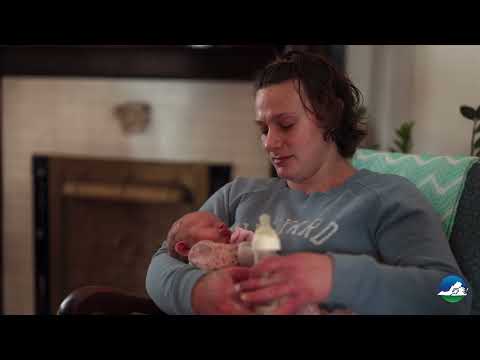
Organizers framed the house around the mother–baby relationship, emphasizing dignity and a homelike environment. "Welcome to the Grove," the presenter said, and staff described the site as "a house that the community built." Program staff said the baby room includes a mural painted by a local artist depicting native Virginia trees, bees and butterflies.
Program staff described the project’s design philosophy as a response to stigma. "In this society, we reserve no more shame for any other group of people than pregnant women who use drugs," the staff member said, arguing that shame keeps people from seeking help and can result in child removal. The house’s layout and services, they said, were intended to reduce that shame and provide supportive space for mothers to heal.
Staff outlined a skills‑based model designed to prepare residents for independent living after treatment. Meals are prepared together from a menu; residents take part in supervised self‑administration of medications so they learn routines while staff maintain oversight; and programming emphasizes daily living skills and autonomy. "What we want at the end of this is independent, healthy people in recovery so they can go on and live the rest of their life," program staff said.
Organizers described the reopening as community driven and said they recruited local artists to make rooms feel less institutional and more nurturing. They did not provide a schedule for intake, capacity numbers or funding details in this presentation.
The organizers said they will continue developing the program and that additional operational details, including funding sources and intake timelines, were not specified during the remarks.