Get Full Government Meeting Transcripts, Videos, & Alerts Forever!
Get email alerts on the Personnel Policy topic
No spam. Unsubscribe anytime.
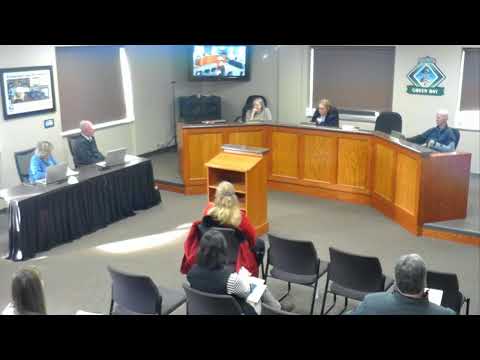
Personnel committee asks staff to design distance-based relocation policy for hard-to-fill city jobs
Summary
The Green Bay Personnel Committee discussed expanding authority to offer up to $10,000 in moving expenses for hard-to-fill positions, including police and certain public‑works roles, and voted to send a distance‑based relocation proposal back to staff for development.
The Green Bay Personnel Committee voted to send a proposal back to staff to design a distance‑based policy that would allow the city to offer relocation assistance for select hard‑to‑fill positions.
Staff told the committee the city’s current policy allows the HR director to authorize moving expenses for department‑head candidates up to $10,000 and proposed extending that authority to include positions that cannot be sourced locally. The HR director cited two examples: an assistant director in public works (utilities) and a parks department night‑shift mechanic position that has been open for 14 months.
“The HR director has the ability to authorize moving expenses for department head candidates only up to $10,000,” the HR director said. The HR director said expanding the pool to cover hard‑to‑fill roles would be aligned with the relevant department director and budget constraints.
A committee member asked whether recipients would have to repay the moving allowance if they left early. The HR director replied, “If they leave prior to 18 months of employment, they must repay,” and said the payback requirement applies whether the separation is voluntary, involuntary or due to failing probation.
Committee members pressed staff on including police recruiting in the policy. “As of the 3… we have 15 vacancies,” the Police Chief said, describing multi‑year fluctuation in staffing levels and urging incentives if pay increases are not feasible. Several members said relocation assistance could help bring in candidates from outside the local labor pool.
Members also raised cost and fairness concerns. One committee member said they preferred investing in pay increases to retain employees rather than funding relocation. Staff countered that the relocation tool would be targeted to a small number of hard‑to‑fill roles and that filling long‑vacant positions can produce salary‑savings that offset relocation costs.
Because benchmarking across other municipalities produced wide variation, committee members recommended a tiered structure tied to distance from Green Bay. One member moved to send the policy back to staff to develop a radius‑based allowance (higher reimbursement for greater distances); the motion was seconded and passed unanimously.
Next steps: staff will return with a draft radius‑based relocation policy that defines qualifying positions, distance bands from Green Bay, repayment terms (18 months), and a recommended administrative process.