Get Full Government Meeting Transcripts, Videos, & Alerts Forever!
Get email alerts on the Tourism Hospitality Education topic
No spam. Unsubscribe anytime.
Panel hears pitch for tourism‑and‑hospitality charter to train island hospitality workforce
Summary
Proponents told senators a tourism‑focused charter would provide industry‑aligned training, internships and nationally recognized certifications to replenish Guam's hospitality workforce, and should be allowed under a modest increase to the charter cap. Sponsors also discussed partnerships with hotels, GCC and apprenticeship programs.
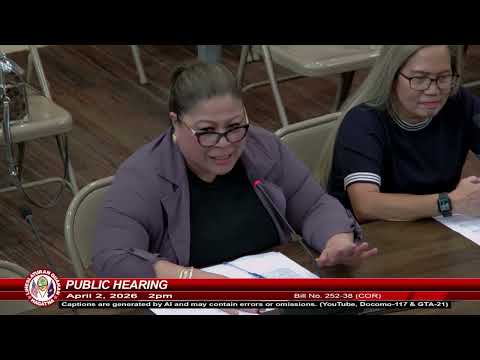
The Committee on Education, Libraries, and Public Broadcasting heard testimony April 2 on bill 256‑38 COR, a measure to raise Guam's charter cap from seven to eight to authorize a tourism and hospitality–focused charter school.
"Charter schools provide the students with access to diverse educational models and specialized areas of focus," said Mr. Ho of Cortech, who testified in support, arguing that hospitality‑centered charters can reduce reliance on imported labor by training local residents for jobs in hotels, restaurants and visitor services.
Neil Peda, who described the proposed school as a career‑focused, industry‑aligned learning environment, told senators the curriculum would include industry certifications, internships with local tourism partners, and digital skills such as AI literacy to prepare students for a changing sector. "This will not be a traditional high school. It will be a career‑focused industry aligned learning environment," he said.
Senators asked practical questions about how the proposal would connect to existing efforts. Senator Sean Gumatau noted the Hotel Associate Youth Apprenticeship program (HAP) and asked whether charter students and private schools had already participated; the panel replied that St. Anthony and others have joined HAP pilots and that apprenticeship models are being expanded.
The hearing also addressed facilities and funding: proponents suggested GCC campus space and underutilized public buildings as possible sites to avoid new construction, while committee members pressed on how per‑pupil funding and a growing charter sector would affect Department of Education enrollments. Vice Speaker and other senators urged the sponsors and the charter council to coordinate closely with DOE to avoid unintended disruption to existing schools.
No committee vote was taken; the chair accepted written testimony for seven days and signaled the committee would consider statutory edits and budget implications during markup.