Get Full Government Meeting Transcripts, Videos, & Alerts Forever!
Get email alerts on the Housing Affordability topic
No spam. Unsubscribe anytime.
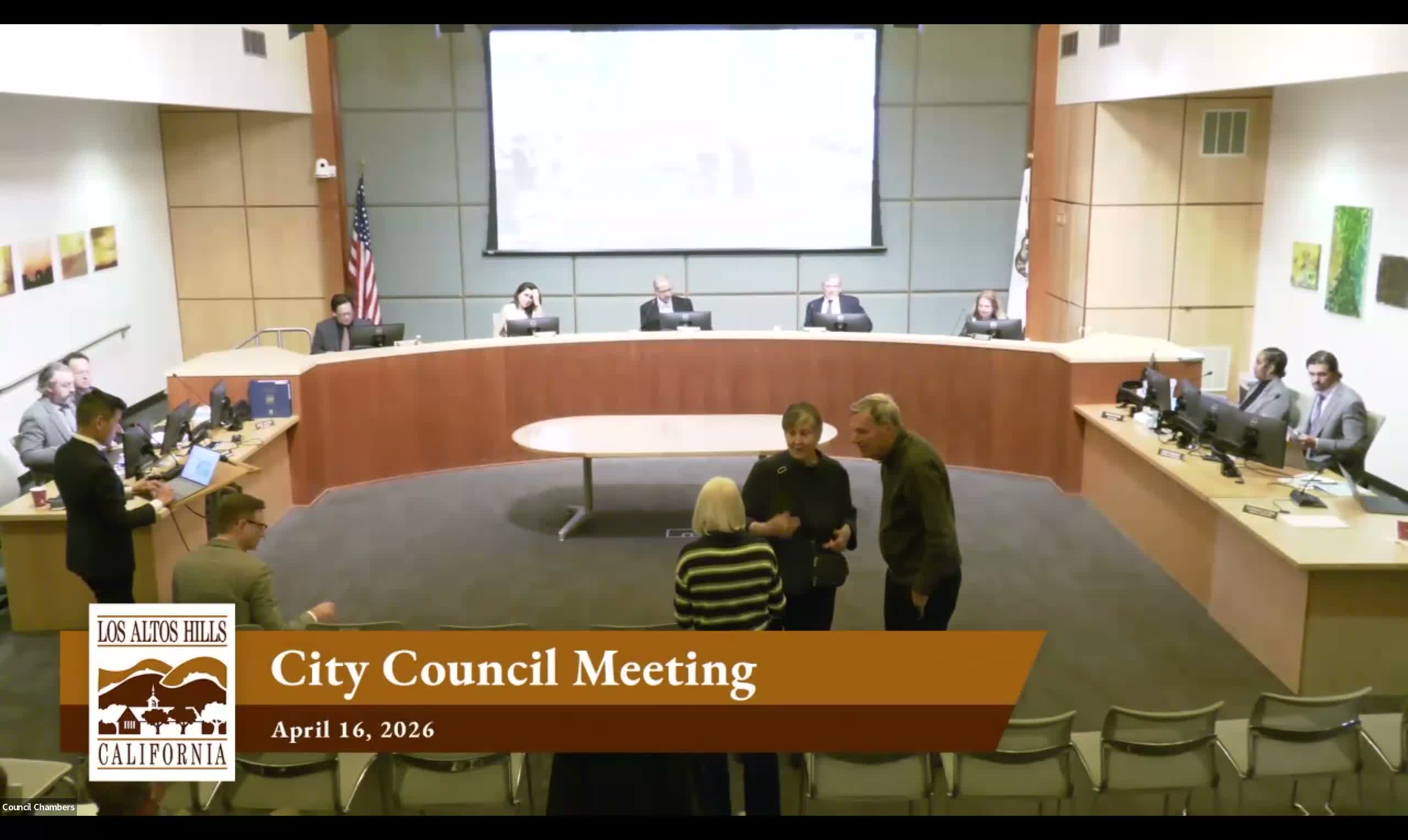
Council gives direction to pursue inclusionary-housing policy; consultants caution rentals remain financially marginal
Summary
Consultants told the council that ownership projects (townhomes/for-sale) in Los Altos Hills are generally financially feasible and could support a 10–15% inclusionary requirement, while multifamily rental development is marginal under current costs; council asked staff to return with ordinance drafts and recommended thresholds for further planning-commission review.
Consultants from Strategic Economics presented the draft inclusionary-housing and affordable-housing impact-fee analysis requested under the town’s housing-element implementation program.
Derek Braun summarized feasibility results: ownership products (townhomes and many for‑sale prototypes) can support a 10–15% inclusionary set‑aside or an in‑lieu fee; multifamily rental prototypes currently produce negative residual land values under present construction and financing costs and therefore are unlikely to be built in Los Altos Hills without market shifts or substantial subsidies. He said modest changes in conditions—lower financing costs, higher achievable rents or reduced construction costs—could make rental projects feasible in the near term.
Braun described policy options: apply inclusionary requirements to multifamily projects (staff suggested a 20‑unit threshold) with rental targeting of extremely‑low to low incomes and ownership targeting of low to moderate incomes, permit in‑lieu payments for fractional obligations, and consider an affordable‑housing impact fee capped by legal nexus analysis. The consultant also provided legal and financial ranges for per‑square‑foot impact fees and illustrated the maximum legally justifiable fee per prototype.
Council requested staff and the planning commission refine income targeting, percent requirements and thresholds and to return with a draft ordinance. Staff emphasized the need to weigh predictability for developers, the town’s affordable‑housing goals and the effect of other fees. No ordinance was adopted; the council provided policy direction for drafting and review by advisory committees.
Next steps: staff will craft ordinance language and fee options for planning‑commission review and then return to council for introduction and adoption consistent with the housing‑element timetable.