Get Full Government Meeting Transcripts, Videos, & Alerts Forever!
Get email alerts on the Public Safety topic
No spam. Unsubscribe anytime.
Neighbors and students clash over proposed recurring nuisance ordinance; council defers action
Summary
A proposed administrative nuisance ordinance to declare and fine recurring nuisance properties drew split public comment: neighbors described repeated late‑night unruly gatherings, underage drinking and public safety threats near the University of Utah, while students warned the measure could overcriminalize social life and urged another hearing date to allow student participation. Council closed the hearing and deferred action.
Salt Lake City's proposed recurring nuisance ordinance drew sharply differing public testimony on whether the city should expand administrative tools to address repeated harmful behavior at private properties.
Council staff said the draft would allow the city to declare properties nuisances for conduct that repeatedly interferes with community health, safety or welfare, with examples and a narrowed ongoing‑violation standard for specific offenses. The updated draft also proposed escalating daily fines for repeat violations and clarified abatement orders and civil‑fine collection procedures.
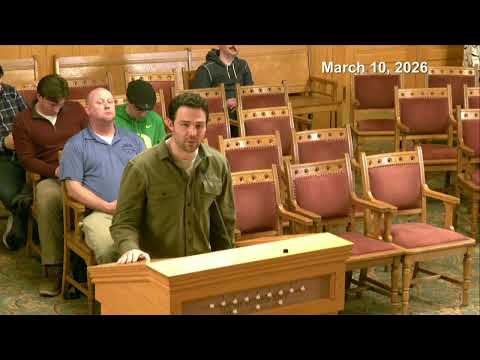
Neighborhood residents and community councils described sustained problems—large, out‑of‑control gatherings, public urination, brawls, underage drinking, and intimidation near university‑adjacent neighborhoods—that neighbors said local policing and complaint processes had not effectively addressed. East Central Community Council advocate Jen Colby said the ordinance should include loud noise and underage drinking as enforceable items and that previous efforts had not curbed the most dangerous incidents. Several long‑term residents shared accounts of late‑night disorder that they said created safety risks.
Students and younger commenters pushed back. Rishi Madhavaradi and other student speakers said scheduling the hearing during spring break reduced student participation and argued the city should avoid criminalizing normal social gatherings; they urged another meeting date and more balanced enforcement strategies.
Council members acknowledged both positions. Council Member Lopez Chavez noted the city previously adopted an Unruly Parties, Gatherings, and Events ordinance in 2025 focused on university‑adjacent commercial uses and property‑owner liability, and said the current draft aims to close remaining loopholes for commercial operators and repeat problems. After deliberation, the council closed the hearing and deferred action to a future meeting to give staff time to refine the proposal and consider the timing and scope of enforcement.