Get Full Government Meeting Transcripts, Videos, & Alerts Forever!
Get email alerts on the Zoning topic
No spam. Unsubscribe anytime.
City hears mixed public reaction to proposed fence and hedge height changes; arts group asks for security path
Summary
Salt Lake City's proposed zoning text amendments would reclassify hedges as landscaping and raise certain allowed fence/hedge heights; historic‑preservation commenters warned about taller front fences in historic districts while the Utah Arts Alliance requested a code pathway to permit taller security fencing around cultural institutions and an updated process to allow exceptions.
Salt Lake City planners proposed two text amendments affecting fence and hedge heights: one would treat hedges as landscaping (moving them into the landscaping and buffer section of code), and another would increase allowable hedge height in front yards to 6 feet and backyard fence heights to 7 feet, with a separate change extending a 6‑ft front‑yard allowance in certain industrial districts.
Historic‑district residents urged caution. Cindy Cromer said original front‑yard fences in historic neighborhoods were often low or absent, and raising blanket front‑yard hedge or fence heights risks undermining historic character. “When this came through the process, there was wording I remember being commensurate,” Cromer said, urging careful review of how the ordinance treats historic areas.
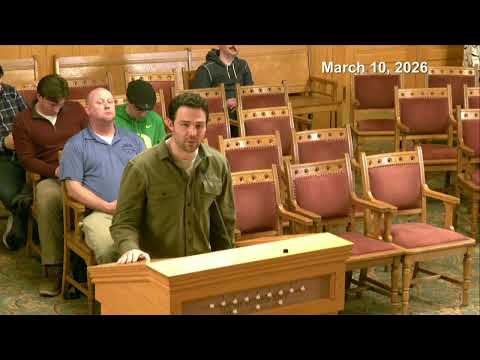
The Utah Arts Alliance's executive director, Derek Dyer, asked for a code pathway for cultural institutions like the Art Castle (915 W. 100 South) to use taller fencing where needed to protect outdoor sculpture and historic buildings. Dyer said the code currently limits street‑facing fencing in mixed‑use zones to 4 feet and that no clear variance pathway exists for taller secure enclosures. He recommended revising the ordinance to allow 6‑ft fencing for cultural and institutional sites or a clear process for approval.
Supporters of reclassifying hedges argued the change could increase the urban canopy, reduce heat islands and streamline code enforcement by regulating hedges under landscaping rules rather than as fences.
The council closed the public hearing and deferred action to a future meeting to allow staff to address concerns about historic districts and to explore whether the code can provide tailored relief for cultural facilities.