Get Full Government Meeting Transcripts, Videos, & Alerts Forever!
Get email alerts on the Land Use topic
No spam. Unsubscribe anytime.
Residents urge Salt Lake City Council to bind Rio Grande rezone to the long‑planned train box
Summary
Public commenters largely supported rezoning 32 parcels in the Rio Grande District to allow more height and downtown uses, but urged the council to embed the Rio Grande Plan's train‑box (below‑grade rail) and infrastructure changes in the ordinance so future development does not preclude burying the tracks and restoring walkability.
Supporters of a proposed rezoning for the Rio Grande District told the Salt Lake City Council they back upzoning but want the city to ensure the long‑standing Rio Grande Plan's train box—the concept of placing rail below grade, particularly under 500 West—is carried through into how the rezone is implemented.
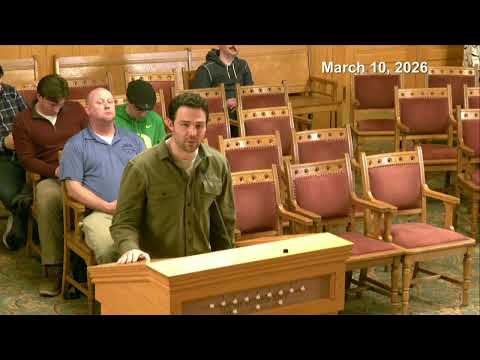
“By supporting the Rio Grande Plan, we return passenger rail to the historic Rio Grande Depot,” said Frederick Jenny, a District 4 resident, who urged the council to include the train box in the ordinance's implementation strategy so surface tracks do not remain a persistent barrier. Multiple other residents and neighborhood advocates—Ann Canada, David Went, Matt Givens, Owen Mitcham, Raymond Flores, Will Metts and Andrew Katsilometes—made similar points, saying the rezoning should not bake in infrastructure that would make burying the rails more difficult or more expensive.
Council staff introduced the proposal as an amendment that would rezone 32 properties between 200 South and 400 South and between 500 West and 600 West from GMU (Gateway Mixed Use) to D4 (Downtown Secondary Central Business), allowing additional building height and amending the Downtown Plan to include mid‑block walkways. Mayor Mendenhall previewed the broader context earlier in the meeting when he presented the city's FY2027 HUD and local Funding Our Future recommendations.
Supporters said the rezoning could bring density, housing and economic activity to an underused corridor near the Rio Grande Depot, but that success depended on fixing the physical barriers created by surface rail and other infrastructure. “We must adopt the train box to fix this after a century of neglect,” Jenny said, noting the 1998 Gateway Specific Plan anticipated railroad consolidation as essential to neighborhood connectivity. Several commenters asked the council to require infrastructure and utility planning that preserves the option for below‑grade rail when development occurs.
Council Member Lopez Chavez acknowledged CRA staff had been working to incorporate Rio Grande Plan language into planning documents and thanked commenters for their advocacy. Council discussion flagged both enthusiasm for the long‑range goal and realistic limits: city staff and council members noted the city currently lacks funding and some authorities to accomplish all aspects of the train‑box vision, and that coordination with state and federal partners and the rail owner would be necessary.
The council closed the public hearing and deferred action to a future meeting, giving members time to consider how rezoning language could preserve options for below‑grade rail and other Rio Grande Plan elements. The council did not adopt the ordinance at this meeting. The public hearing is scheduled to resume on the council's later docket, and the council indicated it would continue coordination with the CRA, the mayor's office and external stakeholders.