Get Full Government Meeting Transcripts, Videos, & Alerts Forever!
Extension specialists at workshop urge egg‑mass surveys, starch testing and stand resilience as first lines of defense
Summary
Speakers at the workshop emphasized stand‑level monitoring (egg‑mass surveys and traps), root‑starch testing to assess tree vigor, and longer‑term sugarbush resilience measures (liming, reduced compaction, species diversity) as tools to reduce the risk of tree mortality and economic loss during FTC outbreaks.
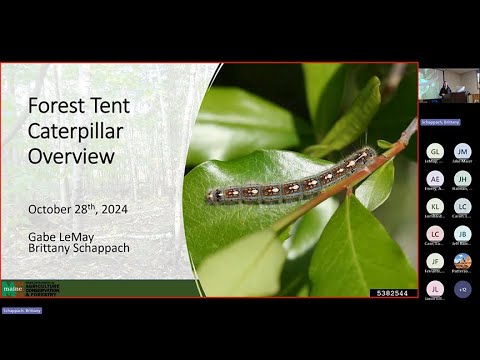
Regional extension specialists presenting at a Maine Forest Service workshop advised sugarbush operators and educators to prioritize monitoring and adaptive management to reduce the long‑term impacts of forest tent caterpillar outbreaks.
Jason Lilly of Cooperative Extension explained how defoliation reduces carbohydrate storage and may depress radial growth for one to three years after an outbreak; trees that are multiply stressed (poor soils, drought, recent harvests or root damage) are at higher risk of mortality when…
Already have an account? Log in
Subscribe to keep reading
Unlock the rest of this article — and every article on Citizen Portal.
- Unlimited articles
- AI-powered breakdowns of topics, speakers, decisions, and budgets
- Instant alerts when your location has a new meeting
- Follow topics and more locations
- 1,000 AI Insights / month, plus AI Chat