Get Full Government Meeting Transcripts, Videos, & Alerts Forever!
Get email alerts on the Wastewater Rates topic
No spam. Unsubscribe anytime.
Consultant presents wastewater rate plan, says average bill would rise about $7 a month in year one
Summary
A consultant told the Llano City Council that rising system costs require a phased wastewater rate plan with scheduled increases beginning in 2027 that would raise the average household bill by roughly $7 a month in year one; council took no vote on rates tonight and was told staff would return with formal recommendations.
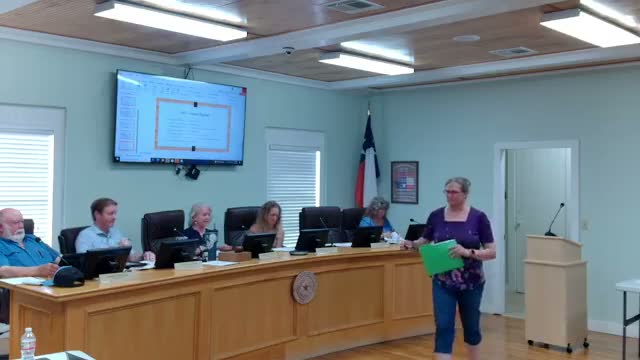
A consultant presenting a wastewater rate study told the Llano City Council on May 7 that the city’s sewer system is facing higher operating and repair costs than projected in 2020 and recommended a phased rate plan to restore the utility’s financial health.
"This plan will restore financial health," the presenter said, recommending the city raise volume charges by about $0.30–$0.40 per 1,000 gallons and schedule adjustments in January and April 2027. The consultant said the average wastewater customer — assumed at about 5,000 gallons per month — would see a roughly $7 increase in the first year and additional modest increases in following years.
The presentation laid out the rationale: higher insurance, labor and chemical costs, capital needs for aging infrastructure and the economies of scale that disadvantage smaller systems. The presenter said the forecast shows the system could require roughly an additional $500,000 a year by the early 2030s if left unaddressed and recommended periodic reviews of the rate plan.
Mayor Laura Almond thanked the consultant and noted the session was informational only. No formal rate changes were adopted at the meeting; council members asked staff to include the study in upcoming budget discussions and to return with a draft ordinance and options for mitigation, such as phased implementation or targeted assistance for low‑income residents.
Why it matters: The council’s decision whether to adopt the recommended rate increases will affect household utility bills and the utility fund’s ability to pay for maintenance and capital projects. Staff indicated they will present a formal proposal and a schedule for council consideration in a future meeting.