Get Full Government Meeting Transcripts, Videos, & Alerts Forever!
Get email alerts on the Transportation topic
No spam. Unsubscribe anytime.
Commuter Connections pushes Go DMV challenge to boost sustainable trips across the region
Summary
Commuter Connections’ James Davenport described the second annual Go DMV commuter challenge, which runs April 1–May 15, uses the Commuter Cash app to log sustainable trips, offers cash and raffle prizes, and counts telework as two logged trips, Davenport said.
James Davenport, Transportation Demand Management outreach and communications coordinator for Commuter Connections, urged commuters to register for the second annual Go DMV commuter challenge, saying the regional competition runs April 1 through May 15 and uses the Commuter Cash rewards app to log trips and track leaderboards.
“It’s a regional competition … the second annual Go DMV commuter competition is a free and friendly challenge that hopes to motivate commuters to choose more sustainable modes of travel,” Davenport said, describing transit, biking, walking, carpooling, vanpooling and telework as qualifying modes.
The challenge is open to individuals and to employees registering through an employer. Participants download the Commuter Cash app from the Apple Store or Google Play, log sustainable trips and press the “Join now” button in their account to register for the contest. Davenport said points can be redeemed for cash prizes and that users who log trips on the first day of the competition will be eligible for a day‑one raffle.
Davenport said employer registration affects employer leaderboards and that, for 2026, about 38 employers had registered so far. He added that the contest will show a leaderboard of the top commuters and a top‑five employers list so organizations and individuals can track progress during the six‑week competition.
On how many trips can be logged, Davenport explained that participants may log up to six trips per day and that telework days are counted in the contest as two trips. “We’re counting that as two trips,” he said, describing telework as an included sustainable mode for the competition.
Davenport provided figures from the prior year’s competition, saying participants logged about 36,000 sustainable trips, that the program reduced CO2 emissions by about 154 tons and that participants collectively saved $272,000 on commuting; the transcript contained unclear wording about the total number of participants and the vehicle‑miles‑reduced figure, which Davenport presented verbally during the episode.
He said transit accounted for the largest share of logged alternative‑mode trips in the prior competition and that biking was the second most common mode. The contest’s finish coincides with Bike to Work Day, which Davenport and the host said typically produces a spike in bicycle trips.
Davenport recommended listeners “register right now” to be eligible for the competition’s incentives and reiterated a quality‑of‑life pitch: sustainable travel can be more enjoyable than driving alone and helps reduce congestion across the DC area.
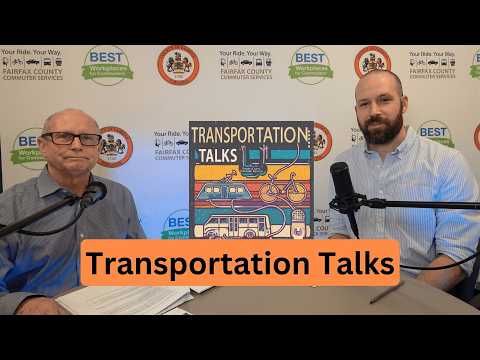
The podcast episode closed with the host and Davenport encouraging listeners to sign up and watch the leaderboard as the competition begins on April 1.