Get Full Government Meeting Transcripts, Videos, & Alerts Forever!
Get email alerts on the Personnel Policy topic
No spam. Unsubscribe anytime.
Legislators postpone county fleet take-home policy after legal and bargaining concerns
Summary
Ulster County legislators voted to postpone consideration of a countywide fleet take-home vehicle policy for one month after members flagged internal inconsistencies and potential collective-bargaining and legal risks; the committee asked legislative counsel and the sponsor to review draft language.
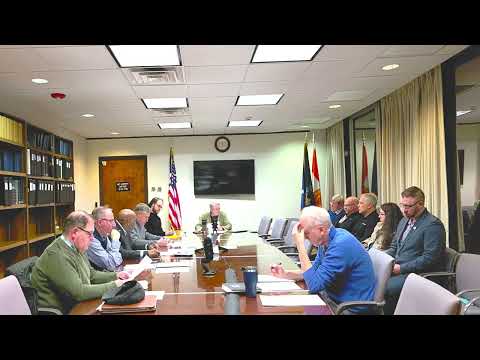
Ulster County legislators on the Public Works and Capital Projects Committee on Feb. 10 postponed a vote on a proposed fleet vehicle take-home policy after extended debate over legal exposure and internal inconsistencies in the draft policy.
The draft policy (Resolution No. 52) was the subject of prolonged questioning from multiple lawmakers who said several sections were hard to follow and potentially inconsistent. Legislator Collins read language from section 6.11 aloud to the committee, saying, "Take vehicle assignment period shall not be greater than one year unless you're authorized by the fleet manager or otherwise specified in a collective bargaining agreement for representative employees," and asked whether the policy unintentionally removed existing rights when agreements with unions are in place.
Deputy Executive Laval cautioned that removing take-home vehicles from employees represented by unions could trigger mandatory bargaining obligations. "We just need to be mindful that... taking take-home vehicles away from folks who currently have them, who are in a bargaining unit... would have to be bargained," Laval said, urging caution and suggesting the county seek legislative counsel input.
Committee members also noted they had received a legal opinion from Laura Wallins and suggested legislative counsel should review the draft. Concerns included overlapping categories for eligibility, unclear thresholds for vehicle assignment, and language that appeared to intrude into collective-bargaining matters.
After discussion, a motion to postpone the resolution for one month carried; the sponsor and executive branch staff were asked to confer with legislative counsel and the fleet review committee and return with clarified, consolidated language.
What to watch next: The committee set a one-month review period. The sponsor and counsel are expected to rework the policy language, at which point the resolution will return to committee for further consideration.