Get Full Government Meeting Transcripts, Videos, & Alerts Forever!
Get email alerts on the Municipal Finance topic
No spam. Unsubscribe anytime.
County warns of large VLF shortfall; Redwood City staff say midyear forecast now requires drawing reserves
Summary
San Mateo County officials told the Redwood City Council a vehicle license fee (VLF) payment mechanism shortfall could be $119 million countywide, with Redwood City losing roughly $5.3–$5.4 million; city staff said the loss pushes the city to draw reserves earlier and to accelerate efficiency and economic development measures. Council accepted staff recommendations unanimously.
San Mateo County Executive Mike Hallagee told the Redwood City Council on Feb. 23 that the county faces an unprecedented reduction in vehicle license fee (VLF) backfill payments and that the county and cities together are confronting a roughly $119 million shortfall this fiscal year. "This is literally the taking of, potentially over $1,000,000,000 in county funds," Hallagee said, urging jurisdictions to press the issue with the state and prepare for service impacts.
Assistant County Executive Justin Mates explained the mechanics of the VLF “swap,” a 2004 statutory payment mechanism that routes in‑lieu VLF amounts through certain school district property tax allocations and a Prop. 98 backfill. He said San Mateo County’s mix of school districts has shifted toward locally funded (basic aid) districts, leaving too few state‑funded districts available to generate VLF backfill. "The shortfall this year is $119,000,000 countywide," Mates said, adding that the governor’s recommended budget includes no reimbursement for the loss.
Why it matters: city staff told the council the county numbers translate into a material hit for Redwood City’s general fund. Finance Director Beth Goldberg said the city was owed about $5.3 million in VLF backfill for last year and received roughly two‑thirds of that; the county reported roughly $5.4 million in impact for Redwood City. Goldberg presented a midyear forecast showing that, with the VLF uncertainty and softer collections in some local taxes (business license tax and modest sales‑tax weakness), the city now expects to draw reserves earlier than planned and could end the next fiscal year with much tighter fund balances without corrective actions.
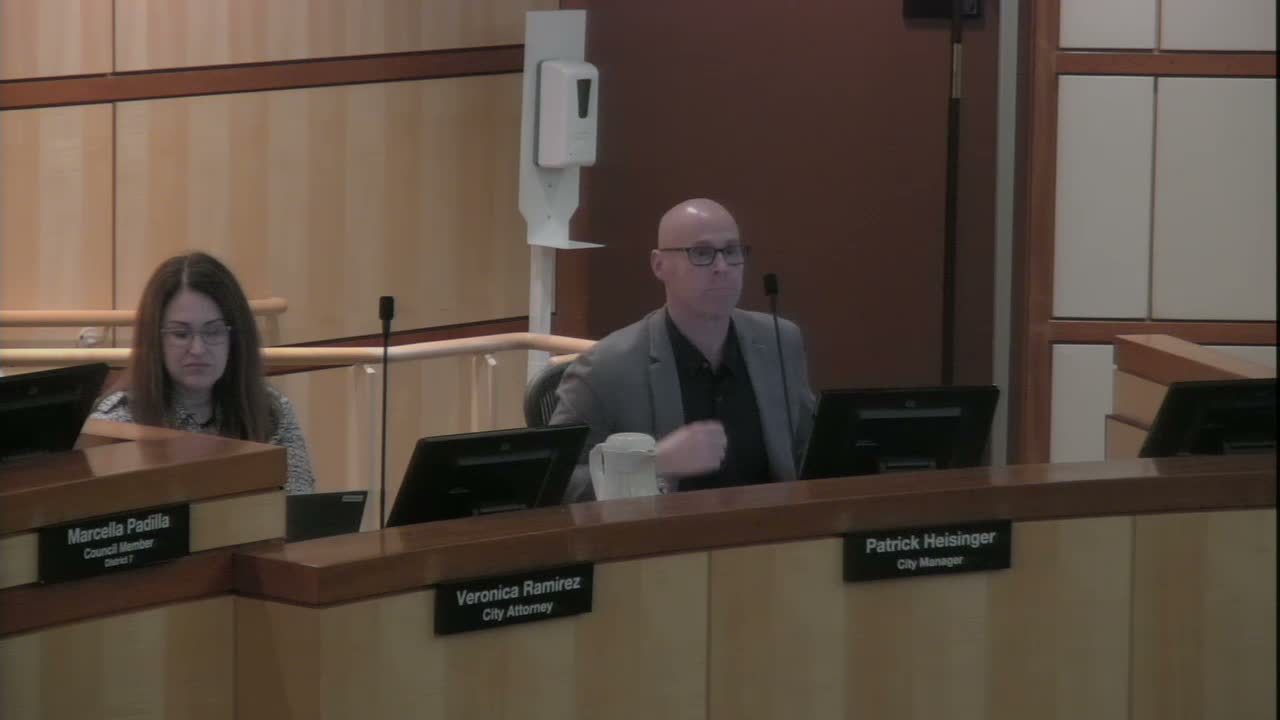
City manager Patrick Heisinger and staff outlined a measured strategy: continue litigation and legislative outreach with the county and other jurisdictions; pursue more active business license tax compliance work (a contract with HDL produced improved collections after October); and accelerate economic development and modernization efforts to grow ongoing revenues. Heisinger said staff will propose modernization and efficiency items and a facilities assessment to guide capital funding decisions.
Council reaction and next steps: councilmembers pressed county and city staff for timelines, likely legal outcomes and practical steps. Councilmember Howard asked who initiated the lawsuit; staff confirmed the county filed and cities joined. Councilmember Gee pressed on litigation odds and whether the suit would be amended to include new losses; county staff said courts have not set a trial date and that an amended complaint could be filed to add subsequent years’ losses. Several members urged a public outreach push.
By unanimous vote, the council accepted the staff’s midyear budget update, appropriations and direction to pursue the outlined strategy, including planning for targeted use of reserves and returning in June with further budget recommendations. The city manager and finance team said they will continue to monitor the county litigation and legislative efforts and to report updates to council as they materialize.
What remains unresolved: the final outcome of the county litigation and whether the state will restore VLF backfill. Staff said the Section 115 trust and other reserves give the city time to plan, but those balances would be drawn sooner than anticipated if the shortfall persists. Staff flagged the need for follow‑up on possible service impacts and coordination across cities and school districts.
The council asked staff to continue outreach to residents and partner jurisdictions and to return with specific budget options and modernization proposals ahead of the June budget adoption.