Get Full Government Meeting Transcripts, Videos, & Alerts Forever!
Get email alerts on the Student Safety topic
No spam. Unsubscribe anytime.
District officials review harassment, intimidation and bullying procedures, timelines and prevention curriculum
Summary
Administrators explained the district's HI definition (RCW-based), reporting channels, two-day parent-notification and five-school-day investigation timelines, investigator roles, confidentiality limits on discipline records, corrective actions and prevention programs (Kelso's Choices, Second Steps, Character Strong, PBIS, restorative practices).
District compliance staff and school principals gave the board a step-by-step overview of harassment, intimidation and bullying (HI) procedures required under state law and district policy.
"We have an RCW that defines harassment, intimidation, and bullying," the compliance officer said, and staff walked through the operational definition used locally and a simplified procedure (Procedure 3207) posted on the district website.
Presenters described reporting pathways including anonymous online reporting and QR codes posted in buildings, staff obligations to report complaints, and a timeline that requires notifying parents within two days and conducting an investigation within five school days (with extensions and progress updates when cases are complex). The compliance officer described their role as the district's primary HIP (HI/Harassment/Intimidation Prevention) contact who receives formal reports and coordinates with principals.
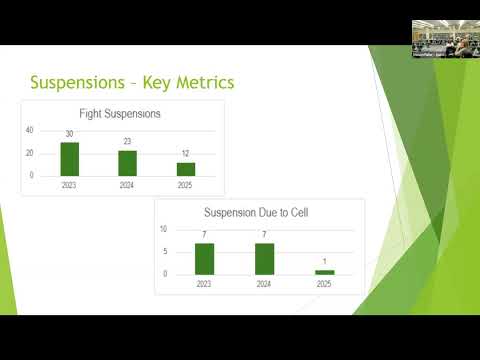
Administrators outlined investigation practices (interview complainant, targeted student, alleged aggressor and witnesses; review discipline records; coordinate with law enforcement when relevant) and potential corrective measures ranging from counseling and restorative practices to suspension. They emphasized that discipline records are confidential education records and that families will be told the investigation conclusion and appeal rights, but not all details of another student's discipline.
Colleen, a building administrator, said remediation and prevention are central: staff train students on conflict-resolution skills, use Kelso's Choices at the elementary level, Character Strong and advisory circles at the secondary level, and provide counseling and outside-provider referrals when longer-term support is needed.
Board members asked how the district balances the targeted student's perception of safety with objective findings; administrators described team-based decision-making and individualized safety plans (for example, staggered in-person days or targeted check-ins). The board was told families dissatisfied with a finding can appeal to the superintendent and then to the board.
Administrators emphasized prevention: regular lessons, PBIS, mentoring, and restorative circles aim to reduce incidents and provide students with skills to manage conflict before it escalates.