Get Full Government Meeting Transcripts, Videos, & Alerts Forever!
Get email alerts on the Education Technology topic
No spam. Unsubscribe anytime.
Parents, teachers urge caution on $1 million Chromebook plan and call for restoration of student‑facing staff
Summary
At a March 23 School Committee public hearing on the FY2027 budget, more than a dozen parents and educators urged the district to pause a proposed expansion of one‑to‑one Chromebooks and prioritize restoring interventionists and special‑education staff, citing limited evidence and student privacy concerns.
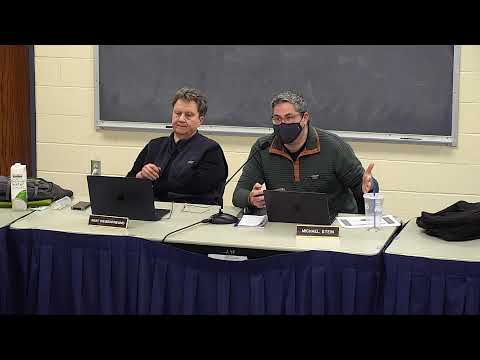
At a March 23 public hearing on the Northampton Public Schools’ proposed FY2027 budget, parents, teachers and advocates urged the School Committee to reconsider a planned expansion of one‑to‑one Chromebooks and to prioritize funding for student‑facing staff.
"I urge the district to reconsider the plan to invest $1 million in expanding the one‑to‑one Chromebook program," said Maya Bay (Bayak), a Leeds parent, who raised concerns about student data privacy, extractive vendor business models and the developmental effects of early and pervasive screen time. "This is an opportunity to pause and reflect on the precedent it sets."
The hearing was convened under Mass. Gen. Laws, c. 71, §38N and drew more than a dozen speakers during the allotted public‑comment period. Speakers repeatedly connected technology spending to staffing shortages: Drew Rashard, a Ward 3 resident, said classroom staff told him that tablets are being used as a temporary workaround for lost interventionists and that mandated assessments given on tablets can complicate instruction for kindergarteners.
Jenna Iden, a seventh‑ and eighth‑grade ELA teacher at JFK, asked the committee to fund a social‑studies and science teacher in the strong budget to reduce class sizes and restore an "off‑team" teacher role that previously kept classes below 20 students. She also questioned the district’s plan to spend $100,000 on a packaged curriculum tied to a matching DESI grant when, she said, the district is hundreds of thousands short of level‑service funding and the curriculum’s efficacy is unclear.
Several speakers— including Adam Graff, who said he was new to district budgeting—asked the committee to require independent evidence of edtech efficacy before approving large purchases. Josh Silver, a policy advocate and parent, urged a balance: "We have good schools while we strive to make them better," he said, but warned against portraying the district as a "dystopian disaster" and urged targeted improvements for students with the highest needs.
Superintendent Dr. Bonner and Business Manager Bobby Jones acknowledged the public concern. Jones said budget documents have been updated to correct a fiscal‑year labeling error, and Dr. Bonner noted the district is piloting different assessment tools and continuing to review edtech requests alongside staffing priorities.
The committee did not vote on Chromebook purchases during the hearing. Members asked staff to provide more detailed information about device life cycles and total costs. Business Manager Jones said the district is planning to purchase higher‑tier devices with an expected seven‑year lifespan to cover students who keep devices across multiple grades.
The School Committee will continue its budget deliberations in subcommittee and at future meetings; staff committed to return with more granular cost and staffing breakdowns that could affect decisions about technology and staff restoration.