Get Full Government Meeting Transcripts, Videos, & Alerts Forever!
Get email alerts on the Campaign Finance topic
No spam. Unsubscribe anytime.
Delaware committee releases bill to tighten disclosure on out‑of‑state and third‑party election spending
Summary
The House committee voted to release House Substitute 1 for HB216, which would expand disclosure for out‑of‑state committees and third‑party advertisements, ban foreign‑national contributions, and require detailed metadata about political ads; supporters called it an anti‑dark‑money measure while the ACLU warned of First Amendment risks.
Representative Kim Williams presented House Substitute 1 for House Bill 216 on the House Elections and Government Affairs Committee agenda, saying the bill would expand disclosure requirements to reduce anonymous "dark money" in Delaware elections. Williams told the committee the substitute amends Title 15 of the Delaware Code to require out‑of‑state committees that contribute more than $2,000 to register with the State Elections Commissioner and to disclose affiliated controlling entities and the five largest transfers to those entities over the prior 12 months.
The sponsor said the substitute would require third‑party advertisements to display the majority owner's name, the responsible advertiser and affiliated entities, and to include a link to a website listing underlying contributions. It would also prohibit contributions or independent expenditures from foreign nationals or foreign entities and require campaign‑finance reports to disclose ad metadata such as vendor/platform, medium, description and target audience. Williams said the changes were developed in consultation with the Department of Elections and the governor's office and emphasized that the bill does not limit donations but seeks transparency.
Anthony Alton, the State Election Commissioner, told the committee the department is replacing its 15‑year‑old campaign finance system and that many of the bill's reporting provisions are planned to be implemented in the new platform once funding and vendor work are in place. "If the new system comes online," Alton said, the team can work with the vendor to make the reporting fields user friendly.
Advocacy witnesses split on the measure. Andrew Bernstein, civic engagement counsel at the ACLU of Delaware, testified in opposition and urged caution on broad donor disclosure. "Compelled disclosure of donor identities impairs the freedom of donors to exercise speech and associational rights," Bernstein said, warning that wide disclosure could chill speech and expose donors to reprisals. By contrast, Robert George of Public Citizen’s Democracy Campaign urged passage, supporting registration for out‑of‑state committees and expanded ad disclosures and suggesting the committee consider adding disclosure for AI‑generated ads.
Jonah Anderson, representing the governor's office, said the administration supports the bill’s ban on foreign contributions and its ad‑disclosure aims, framing the changes as tools to show Delawareans who is influencing elections. Representative Morrison and other committee members offered praise and said more transparency is needed; one member questioned how granular an ad’s "target audience" description should be given modern digital targeting and the sponsor said she was open to refining that language.
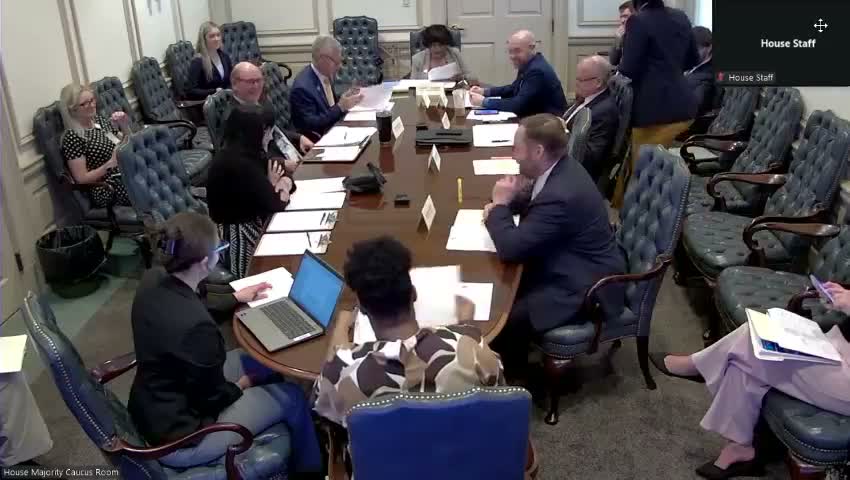
After public and staff discussion, the committee moved to release House Substitute 1 for HB216. The motion was moved and seconded and the committee recorded a roll‑call vote; the chair announced the motion had the necessary votes and the bill was released from committee for further legislative processing.
Next steps: committee members circulated the bill for signatures; if it receives enough signatures it will be reported out on the legislative website and scheduled for floor action.