Get Full Government Meeting Transcripts, Videos, & Alerts Forever!
Get email alerts on the Natural Resources Outreach topic
No spam. Unsubscribe anytime.
Minnetonka natural resources staff report rising volunteer numbers, pollinator and resilience programs
Summary
Natural Resources Engagement Coordinator Christine Peterson reported 334 volunteers, 3,300+ volunteer hours and a Resilient Minnetonka program supporting native plantings and technical assistance; the city continues its mayor’s monarch pledge activities and is digitizing outreach materials.
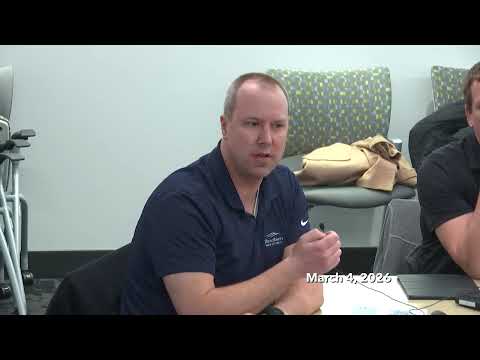
Christine Peterson, Minnetonka’s natural resources engagement coordinator, told the Park Board the division uses outreach, education and volunteerism to advance water quality, urban forest health and habitat. "By the numbers, that looks like 334 volunteers. 79 of those were ongoing volunteers...3300 plus hours of volunteer service," Peterson said, adding the division calculated the volunteer value at about $15,000 using an independent nonprofit’s rate.
Peterson highlighted pollinator work and the city’s participation in the National Wildlife Federation mayor’s monarch pledge, calling the monarch pledge a framework for pollinator habitat protection across city departments. She described Resilient Minnetonka, a program that pairs technical assistance, plant‑sale incentives and limited rebates to encourage private‑property habitat conversions and soil‑health practices.
On outreach channels, Peterson said the division is converting print materials to accessible digital formats—using story maps, blogs and an e‑bulletin—and hosts workshops, field days and tabling events. She described programs for youth and underserved groups, and said partnerships with Metro Blooms/Blue Thumb and local schools support design assistance and site visits.
Board members suggested clearer flyers for adopt‑a‑drain and neighborhood spring cleanups, more youth engagement and cross‑promotion through neighborhood associations. Peterson said the division will provide flyers and can host field‑day demonstrations; she also said some programs already partner with neighborhood groups and schools.
Peterson identified monitoring outcomes as a next step, noting that while participation numbers are useful, the division is working to track how many participants move from sign‑ups to on‑the‑ground projects.
What happens next: staff will continue open houses and public workshops, provide resource flyers on adopt‑a‑drain and resilient landscaping, and share trend information to the board when multi‑year data become available.