Get email alerts on the Education topic
No spam. Unsubscribe anytime.
Senate approves changes to early‑childhood services; some senators raise concern about 3‑year‑olds in elementary schools
Summary
House Bill 1259 passed to clarify licensing, update provider reimbursement and adjust universal preschool funding timing; several senators expressed concern about county cost exposure and placement of 3‑year‑olds in elementary school classrooms.
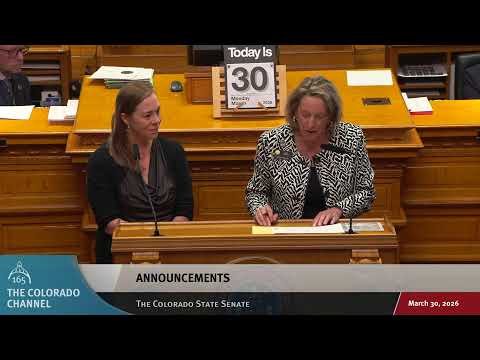
House Bill 1259, which makes a range of changes to early‑childhood services — including preserving family, friend and neighbor (FFN) care, updating provider payment processes, strengthening system coordination and adjusting universal preschool program provisions — was taken up and adopted by the Senate on March 30.
Senator Marchman described four main components and said the bill improves reimbursement timeliness, keeps FFN care, strengthens program coordination and makes technical clarifications. Senator Rich said he would vote no, citing concerns that preliminary eligibility determinations could create an unfunded county mandate to cover services for families later found ineligible. Senator Wright said Section 12’s expansion of services to three‑year‑olds in elementary schools raised safety and developmental‑appropriateness concerns and urged future fixes; he said he could not support the bill because he worried about placing three‑year‑olds in the same spaces as fifth graders.
Despite the objections, senators adopted the committee report and passed the bill after floor debate. The record shows sponsors added a committee amendment delaying some funding components until July 1, 2027 to avoid conflict with Joint Budget Committee work.
AI generated
The text on this page is AI generated. Summaries, highlights, analysis, and video transcripts are all produced from the original source material.
AI can make mistakes, so if you spot one, and we will fix it for everyone.
Note: the source content is unaltered by us. Any content source we link to, be it a video, an audio recording, or a document, is presented exactly as its publisher released it. That publisher is usually a government body, sometimes an individual official or another organisation.