Get Full Government Meeting Transcripts, Videos, & Alerts Forever!
Get email alerts on the Flight Training Expansion topic
No spam. Unsubscribe anytime.
Pilot-tenant outlines flight-training expansion; commission discusses funding options
Summary
Scott Kingsboro presented a high-level plan for expanding flight-training operations and classroom and maintenance space, and commissioners discussed possible funding via bonds or phased state grants but made no commitment.
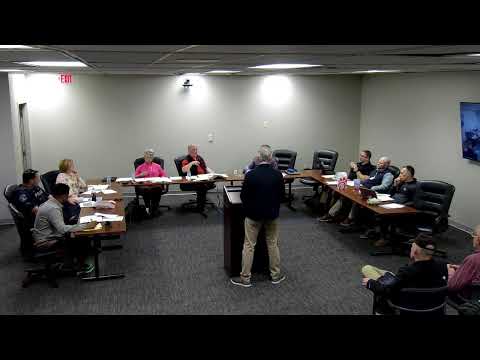
Scott Kingsboro, identified himself to the record as a pilot-tenant at the airport, presented concept-level plans to expand flight training and operations at the field, describing proposed classrooms, maintenance space, and an office manager role to support growth.
"My name is Scott Kingsboro. I'm a pilot tenant at uh at the airport and I'm trying to do today is just share some information... and then see if we can solutions," Kingsboro said, framing the presentation as exploratory rather than a formal proposal. He said the operation currently involves multiple hangars and that an expanded facility concept was on the order of several thousand square feet (examples discussed: an 8,280 sq ft building and additional hanger space).
Commissioners welcomed the concept but stressed constraints on public funding. They discussed two primary funding paths: seeking state grants in phases or pursuing a bond issue that would require city council approval and likely city backing on any notes. Commissioners noted prior examples where state grants supported hanger or site work but emphasized that bond financing or mayor and council support would be needed for larger capital projects.
Commissioners also flagged operational and lease details that would need to be resolved before committing public resources, including ensuring that fuel-storage and other infrastructure are reflected in lease footprints and that any city-backed financing follow required municipal procedures.
No formal funding request or vote occurred; commissioners directed staff to research legal and financing options, coordinate with the city attorney’s office, and continue conversations with the tenant about potential timelines and next steps.