Get Full Government Meeting Transcripts, Videos, & Alerts Forever!
Get email alerts on the Public Safety topic
No spam. Unsubscribe anytime.
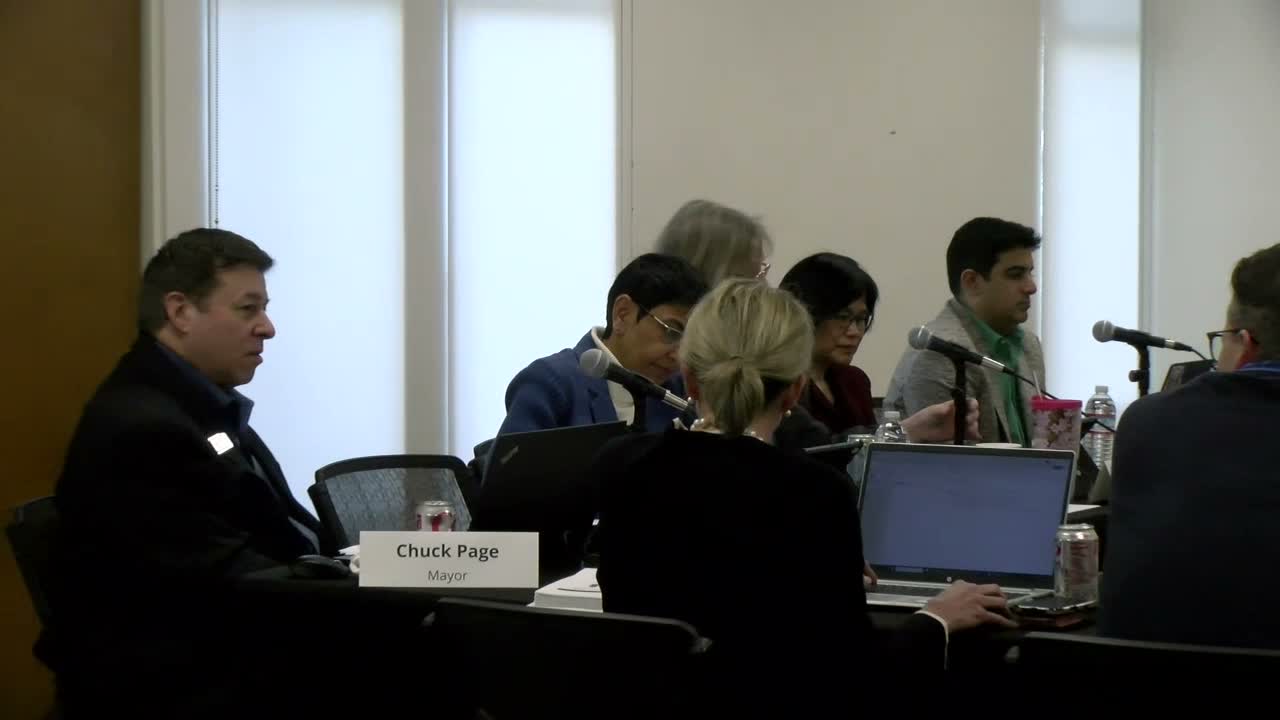
Saratoga faces a $3 million sheriff contract increase; council weighs cuts, short‑term reserves and alternative policing
Summary
City staff told the council a new county costing method would raise Saratoga's sheriff contract by roughly $3,000,000 a year (about 33%), potentially making public safety the city's largest expense. Council directed staff to press the county for data, explore service‑level pilots and pursue short‑ and long‑term alternatives.
City staff told the Saratoga City Council at its annual retreat that the county sheriff's revised costing method would raise the city's annual contract by about $3,000,000, from roughly $9 million today to about $11.9 million. Leslie, a senior staff presenter, said the county's proposal reclassifies many overhead and investigative costs as pass‑throughs, making overhead and support nearly 60 percent of the total proposed charge.
"Under the preliminary estimate we received from the sheriff's office, Saratoga's annual cost would increase by approximately $3,000,000 in addition to what we're currently paying," Leslie said, framing the figure as an early estimate the city is still vetting. Ryan, finance staff, said the county signaled a 33 percent increase this year and roughly 5 percent annual growth thereafter and warned that "true cost" increases beyond those headline numbers could be passed through to cities.
Why it matters: staff said the increase would shift public safety toward consuming a larger share of the general fund (from about 28 percent to roughly 33.5 percent under the proposal), narrowing funds for operating and capital priorities and potentially creating structural budget gaps in future years.
What the council asked for: council members pressed staff for granular detail on what the county counts as "general law enforcement" versus supplemental services (school resource officers, traffic enforcement), how overhead is allocated, and whether the county's methodology can be negotiated. The council asked staff to pursue breakdowns of investigative costs and the county's internal cost allocation plan.
Options on the table: staff outlined several paths for the city: (1) short‑term reductions or one‑time reserve use to buffer the immediate hit; (2) longer‑term service reductions to align ongoing costs with revenue; (3) pursuing alternative shared models with neighboring cities (staff flagged Los Gatos as an example); or (4) exploring creation of a West Valley regional police department — a multiyear, capital‑intensive option.
Council direction and next steps: the council formed (and staff said they have already convened) an ad hoc mayors' committee with Cupertino and Los Altos Hills to press the sheriff's office for transparency and to explore joint strategies. Council members asked staff to return with service‑level breakouts (hours by shift and activity), scenario analyses for short‑ and long‑term budget balancing, and options for pilot reductions (targeted enforcement windows) that would preserve core safety while testing cost savings. Staff emphasized they have limited negotiation leverage until the county supplies the requested detail.
The council did not take formal action at the retreat. Staff said the sheriff contract expires June 30, 2026, and pledged to bring additional data and scenario work back to council during the next budgeting cycle.