Get Full Government Meeting Transcripts, Videos, & Alerts Forever!
Get email alerts on the Infrastructure Financing topic
No spam. Unsubscribe anytime.
Forum raises transparency concerns about PIDs and development authorities
Summary
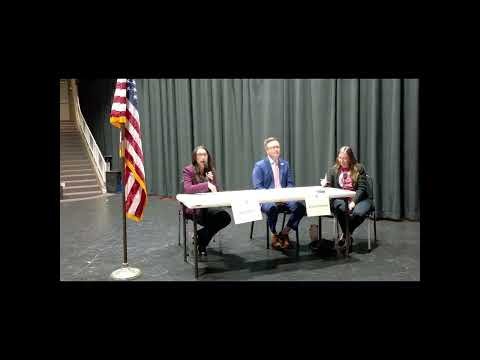
Candidates at the Utah County GOP forum warned that public infrastructure districts and quasi‑government development authorities can concentrate power without sufficient public oversight; one candidate cited sponsoring HD70 to increase transparency.
Candidates at a Utah County Republican Party forum addressed public infrastructure districts (PIDs) and development authorities, expressing concern that such tools can benefit private developers if not constrained by transparency and public votes.
Asked whether PIDs are good ways to fund infrastructure or a mechanism for corporate capture, one candidate warned they "can very well end up with the corporate system," and said she sponsored HD70 to require greater transparency, public votes and advance notice to neighboring residents. The other candidate said cities and counties need more state cooperation on funding, and that stronger local revenue options reduce pressure to rely on PIDs.
On development authorities that use tax deferments and other quasi-government powers, both candidates said the bodies have in some cases exceeded their original roles and should be reined in. One candidate described voting against expansions and said meaningful reform will require legislative leadership changes and sustained effort.
Why it matters: PIDs and development authorities can change who pays for local infrastructure and how developers capture value, affecting homeowners, taxpayers and the pace of development. Candidates’ positions signal what reforms they would pursue if elected.
No formal changes were proposed at the forum; the discussion was explanatory and focused on preferred principles: transparency, limits on unelected authority and greater local funding options.