Get Full Government Meeting Transcripts, Videos, & Alerts Forever!
Get email alerts on the Data Centers topic
No spam. Unsubscribe anytime.
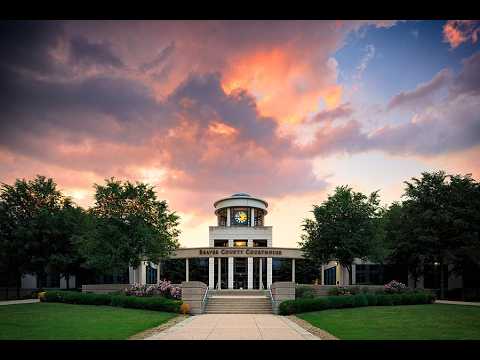
Harmony Township resident urges Beaver County to consider ordinance on AI data centers; commissioner says local control
Summary
At a March 11 work session, a Harmony Township resident urged Beaver County to adopt ordinances or buffers for AI data centers to protect water and community resources; a commissioner said the Bruce Mansfield brownfield site would be suitable and emphasized that land-use approval rests with local municipalities.
A Harmony Township resident told the Beaver County Board of Commissioners on March 11 that the county should explore an ordinance or other mechanisms to limit or buffer AI data-center development, citing concerns about water and community impacts.
"I would really love for the county to consider having some kind of ordinance or some kind of mechanism in place if at all possible," the resident said during the public-comment period, offering to provide a recently enacted South County ordinance to county solicitors for review.
The resident also asked the county to consider environmental protections and buffers around proposed data centers to safeguard local waters.
A commissioner who spoke during the meeting said the Bruce Mansfield site — described as a rural brownfield away from housing and not drawing water from the Ohio River — ‘‘ticks off all the right boxes’’ for a data center and could meet environmental and infrastructure criteria. The speaker emphasized that decisions about siting require municipal land-use approvals: "We have 53 and a quarter municipalities in Beaver County that make that decision. Not me," the commissioner said.
The commissioner acknowledged constituent concerns and noted potential economic benefits, saying proponents estimate "5 to 700 permanent jobs, couple of thousand construction jobs" (as stated in the meeting). The transcript wording for the permanent-job estimate was unclear; during reporting the speaker described the project as likely to produce hundreds of permanent positions and thousands of construction jobs.
No formal action was taken at the work session. County staff and the solicitor were offered copies of the South County ordinance the resident referenced for review; the resident said they would provide the ordinance to solicitors after the meeting.
Why it matters: local ordinances and zoning rules determine where large industrial facilities can be sited, and county and municipal planning processes shape potential environmental protections, tax impacts and community benefits. The public comment underscores local concern about economic trade-offs and environmental safeguards for large computing facilities.
What’s next: the county did not take a formal vote; public commenters and at least one commissioner said they expect municipal land-use review processes to govern any future proposals, and the resident offered to provide a model ordinance for solicitor review.