Get Full Government Meeting Transcripts, Videos, & Alerts Forever!
Get email alerts on the School Calendars topic
No spam. Unsubscribe anytime.
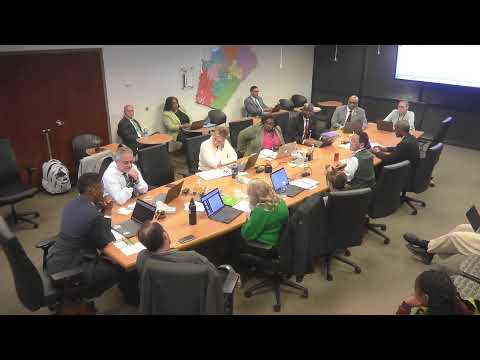
Board reviews 2026–28 school calendars and weighs teacher work‑day swaps
Summary
Wake County Public Schools staff presented amended 2026–27 and draft 2027–28 calendars and the board debated three draft options to move or swap teacher work days (notably March 27, April 17 and Nov. 24) to reduce four‑day instructional weeks and better align teacher work days with quarter ends.
Staff presented an amended 2026–27 year‑round calendar that eliminates year‑end bank days used for test readministration, converts an April 5 teacher work day to a student day, and adjusts October track‑outs to a 2‑day/3‑day split while preserving a two‑week winter break and a July 7 start at the committee’s request. The presenter said these adjustments were intended to preserve instructional time while respecting fiscal‑year and opening/closing constraints for year‑round schools.
Board members then reviewed draft 2027–28 calendars for year‑round, modified and traditional tracks. Staff noted key dates: an Aug. 20 teacher work day across calendars, Nov. 2 as an election day work day, March 7 as a primary‑year teacher work day (the presenter agreed to renumber calendar days to reflect the correct Tuesday primary), and several split weeks—six total—created by the scheduling parameters. Staff emphasized that committees that build calendars include year‑round school administrators, central staff and occasional parents and that limited vacation/annual leave days constrain flexibility.
The substantive debate centered on teacher work‑day placement and family impacts. Board members argued that too many four‑day instructional weeks create child‑care burdens and urged prioritizing end‑of‑quarter teacher work days so staff can complete grading and closeout tasks. Several suggested concrete changes: swap March 27 with Nov. 24 to create a contiguous March vacation week; move April 17 to April 3 so end‑of‑quarter work aligns with a return work day; or otherwise reallocate annual leave days to reduce mid‑quarter disruptions. Staff said they would return with three draft calendars showing these alternatives.
Board members also disputed when and how the board should weigh in: some urged early, front‑end guidance to calendar committees to avoid second‑guessing months of committee work; others said board review is valuable to ensure representatives bring constituent concerns. Staff reiterated the calendars are drafts and said they will present revised options before seeking final approval.
The board did not vote on a final calendar; staff committed to circulate three alternative drafts reflecting the proposed swaps and to correct the primary election date numbering before the next meeting.