Get Full Government Meeting Transcripts, Videos, & Alerts Forever!
Get email alerts on the Homelessness Services topic
No spam. Unsubscribe anytime.
Pathfinders for Hope pitches 'Operation Iron Gate' to ease access to homelessness services in Vallejo
Summary
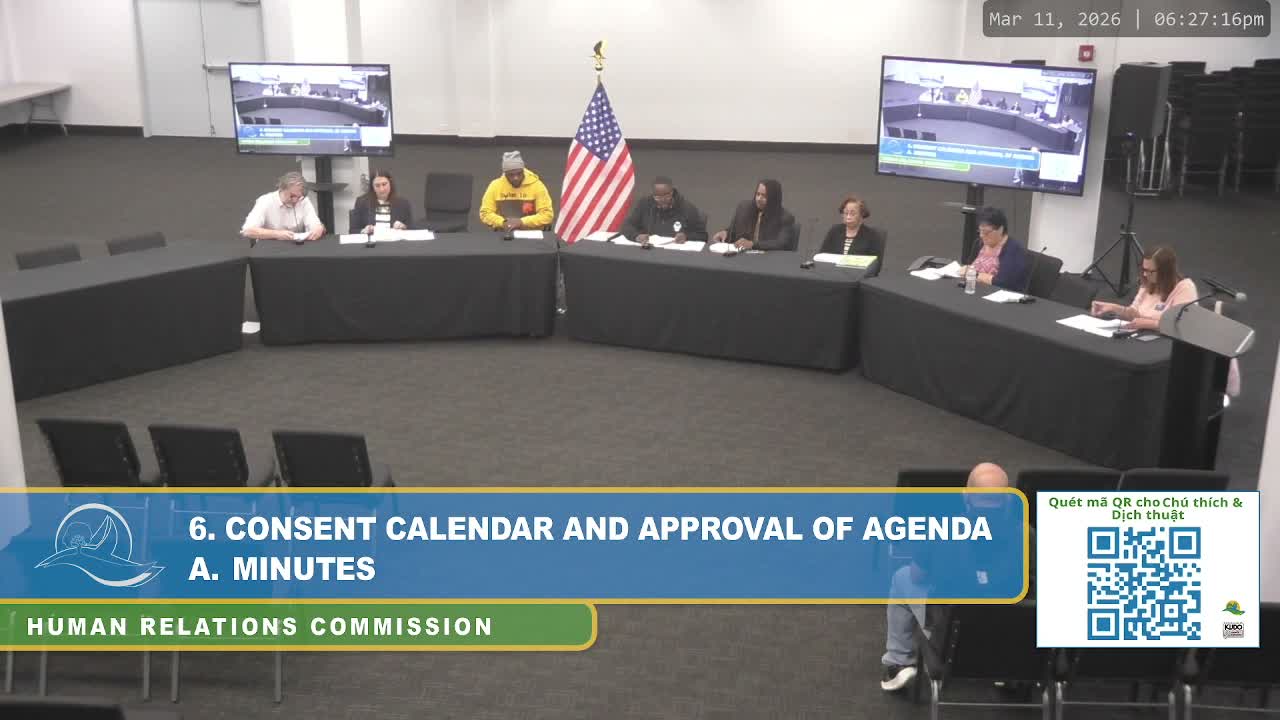
Pathfinders for Hope presented survey findings to the Vallejo Human Relations Commission and outlined 'Operation Iron Gate,' a three‑phase plan that would provide on‑site access points, a 90‑day universal ID voucher, a digital intake system and mobile transport to reduce barriers to services.
Pathfinders for Hope presented a proposal to the Vallejo Human Relations Commission to simplify access to homelessness services and reduce what the presenter called a “crisis of dignity, trust, fairness and access.” The presenter said survey results show large gaps in service: “74% tried to get help and did not receive it,” extensive negative experiences with agencies, and multiple practical barriers such as lack of identification and transportation.
The presenter described Operation Iron Gate as a three‑year program centered on a “Yes by Default” intake policy, local access points staffed by someone with lived experience plus intake support, and a digital steward system (DSAS) to protect client records while coordinating warm handoffs to shelters and service providers. “We are gonna say yes to everyone,” the Pathfinders presenter said, describing a 90‑day universal ID voucher that would allow people to receive immediate services while staff help them obtain permanent documentation.
Why it matters: Commissioners said the survey results and model address long‑standing navigation problems for residents who are unsheltered or precariously housed. The presenter argued the model reduces missed opportunities and the fatigue of repeated referrals, and adds a warm handoff and case management that the presenter said many current systems lack.
Details presented: The presenter cited several metrics from an intake survey and examples of barriers: high denial rates, 60% reporting negative experiences, 58% citing transportation obstacles, and 38% saying eligibility rules blocked access. Operation Iron Gate’s elements include on‑site access points run with community and nonprofit partners, a DSAS intake and data system overseen by a board, a mobility phase with vans offering Wi‑Fi and transport, landlord incentive packages (including up to three months’ payments and damage funds up to $3,000), and a governance structure that would suspend funding if partners’ denial rates exceed agreed thresholds.
Commissioners asked technical questions and raised concerns about implementation and privacy. One commissioner with advocacy and ACLU experience said she supported the intent but urged work on how a 90‑day moratorium or universal ID would sync with enforcement policies and agency requirements. She said she was "curious... how that data security would work" and whether collected information could inadvertently aid enforcement efforts. The presenter replied that DSAS was designed with safeguards and said, “We’re not gonna give it to the police,” and that a board would oversee access to sensitive records.
Next steps: Commissioners encouraged the presenter to share the digital slide deck and blueprint with staff; staff confirmed they will accept the presentation materials and suggested the presenter could later present to city council. Several commissioners offered to connect the presenter to local partners and volunteers. No formal action was taken. The commission moved on to its 2026 work plan discussions after the presentation.