Get Full Government Meeting Transcripts, Videos, & Alerts Forever!
Get email alerts on the STEM Education topic
No spam. Unsubscribe anytime.
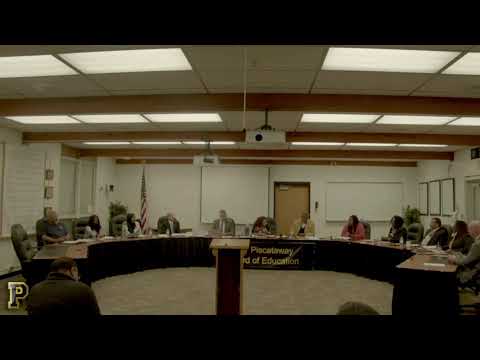
Quivaltown students demonstrate 3D printing, VEX robotics and hydroponics at board meeting
Summary
Quivaltown Middle School students demonstrated engineering class projects including 3D printing, playground-design, VEX robotics, hydroponics and a vertical wind generator during the Jan. 8 Piscataway board meeting; teacher George Mattalis highlighted design-process learning across grades 6—.
Quivaltown Middle School students presented engineering and STEM projects during the Piscataway Township Board of Educations Jan. 8 meeting, showing 3D-printed models, orthographic drawings and VEX robotics the district uses in grades 6 through 8.
"In sixth grade, we learn the design process and in the design process we are learning how to think," said engineering teacher George Mattalis as students passed out printed examples and described projects. Students described classroom work that included skimmer-model projects, two-object playground designs, and iterative design notebooks kept across grades.
Eighth-grade students demonstrated VEX robots and discussed both mechanical assembly and coding; STEM club members described ongoing projects that include water filtration, air filtration, hydroponics and a vertical wind-power generator. Teacher and administrators emphasized collaboration skills, hands-on design and opportunities for students to convert classroom ideas into physical prototypes.
Superintendent Erskin R. Glover and members of the board praised the presentations and noted the classroom had received recent investments (Promethean board, new flooring and updated furniture) to support hands-on learning.
Why it matters: the demonstrations illustrate how district curricular pathways—from elementary through high school—are being used to build career-readiness skills (design, coding, collaboration). Students also highlighted extracurricular supports such as STEM club and mentorship programs that connect middle- and high-school pathways.
Next steps: the board recognized the students and invited teachers to continue reporting on pathway progress at future meetings; administrators said they would continue to highlight classroom investments supporting hands-on STEM instruction.