Get Full Government Meeting Transcripts, Videos, & Alerts Forever!
Get email alerts on the Water Quality topic
No spam. Unsubscribe anytime.
City of Stuart approves application for EPA muck‑removal grants to benefit St. Lucy River
Summary
The City Commission on Feb. 13 authorized staff to submit a U.S. Environmental Protection Agency grant application for water‑quality projects, including muck removal from creeks feeding the St. Lucy River. The resolution passed unanimously; staff warned of testing, disposal and procurement constraints.
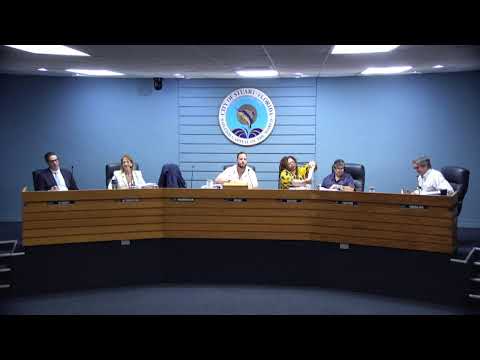
The City Commission of the City of Stuart voted unanimously on Feb. 13 to authorize submission of an application to the U.S. Environmental Protection Agency for water‑quality projects benefiting the St. Lucy River, including muck removal from creeks.
Ruth Holmes, the city's environmental attorney, told commissioners the EPA application deadline is March 16, 2026 and that the city is preparing multiple project scopes. "The deadline for submitting the application is March 16th, 2026," Holmes said, and she explained that the commission should expect each creek to be treated as a separate project and that "each project ... is up to a million dollars." The resolution before the commission is numbered 15‑2026.
Why it matters: the projects aim to remove accumulated muck in creeks that flow into the river, which proponents say would improve water quality and make it easier to detect and respond to future discharge events. Holmes said sediment testing will determine disposal options; depending on contamination levels, material may need to be trucked to Okachobee for disposal, and that disposal costs are a major line item.
Commissioners asked about timing, project selection and procurement. Holmes cautioned that EPA review can take months to determine project eligibility and highlighted procurement and timing risks drawn from nearby experience: she said Martin County previously received award funds (about $500,000 in earlier cycles) but struggled with strict grant conditions and procurement timing and ultimately returned funds. "Because of the very strict conditions placed on the grant, they actually couldn't turn their procurement times around," Holmes said, warning the commission that the city should not assume an award is guaranteed.
The approved resolution authorizes filing the application, execution of a grant agreement if awarded, minor amendments to the agreement, and issuance of a purchase order to GrantWorks for grant-writing services. Following the brief discussion, the commission voted by roll call: Commissioners Rich, Gio, Clark and Vice Mayor Reid voted yes (motion passed 4‑0; mayor absent).
Next steps: staff will finalize the scope(s) with GrantWorks, complete required sediment testing to inform disposal planning, and prepare procurement timelines in case the EPA awards funds. The commission did not appropriate money at this meeting; any award and resulting contracts or disposal arrangements will return to the commission for approval as required.