Get Full Government Meeting Transcripts, Videos, & Alerts Forever!
Get email alerts on the District Budget topic
No spam. Unsubscribe anytime.
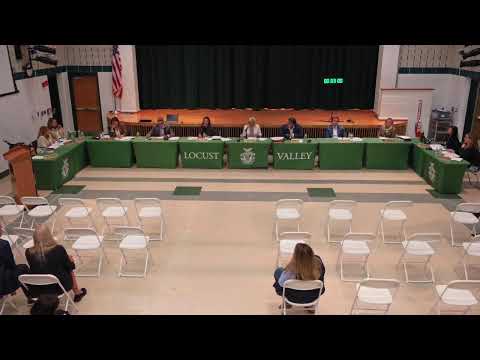
Locust Valley presents 2026–27 budget priorities, highlights staffing and special-education increases
Summary
District presenters outlined a 2026–27 budget development plan, noting a 2.84% maximum allowable levy ceiling, a $3.9 million unassigned fund balance (~4% of the operating budget), proposed FTE additions (teachers, occupational therapist, psychologist), and line-item increases in special education and psychology services.
District staff presented the 2026–27 budget development overview, highlighting instructional priorities, staffing adjustments and estimated line-item changes tied to contractual obligations and program needs.
The presenter said the district’s 2025–26 baseline budget is approximately $98.3 million with a levy of about $90.2 million that funds roughly 92% of operations. The district’s maximum allowable levy increase was stated as 2.84% (described in the presentation as a ceiling rather than a final proposal). The unassigned fund balance was listed at $3.9 million, approximately 4% of the operating budget, in line with the maximum allowed by New York State.
Line-item highlights the presenter cited include: a 7.98% increase proposed for curriculum development/supervision accounts (driven by contractual obligations and staffing shifts); a 7.98% increase in a special-education account tied to tuition and reclassifications; a proposed addition of 0.5–1.0 FTE occupational therapist; a 37.21% increase in psychological services reflecting the addition of a middle‑school psychologist and the reallocation of guidance positions; and an 18% increase in co‑curricular stipends to reflect actual expenditures for clubs and activities. The presenter also noted an expected decline in some training line items due to shifting to in‑house training and federal Title funds.
The board and staff reminded the public of the remaining budget calendar: March 25 (employee benefits, revenue and final summary) and May 19 (final budget vote and election). Presenters said the budget choices are guided by goals to maintain instructional quality, prioritize student safety and well‑being, and grow targeted programs (literacy, science, CTE, arts).
What this means for programs: staff tied several program requests to direct instructional priorities — additional elementary teachers added this past summer, the request for one FTE music position, expanded CTE supports, and investments in classroom materials and library services. Special education costs remain a significant driver of budget variability due to tuition and out‑of‑district placements.
The board’s discussion included questions about how federal funds are applied across codes and a reminder that some changes reflect reclassifications of expenses rather than new recurring spending.