Get Full Government Meeting Transcripts, Videos, & Alerts Forever!
Get email alerts on the Waste Management topic
No spam. Unsubscribe anytime.
Apache Junction sewer staff say horse manure helps dry biosolids, cuts landfill costs
Summary
Apache Junction Sewer District staff described mixing horse manure with biosolids to speed drying, citing a two-to-one mix, thermophilic heating above 160°F, and landfill-hauling savings of about $80–$90 per trailer; staff warned that contaminants dumped with manure damage equipment.
A staff member of the Apache Junction Sewer District said the district has been mixing horse manure with its biosolids to accelerate drying and reduce disposal costs.
The staff member told the meeting that after the wastewater treatment process removes water, the remaining biosolids are combined in a ratio of two parts biosolids to one part horse manure and formed into rows. "We mix two parts biosolids and one part horse manure," the staff member said. "The thermophilic bacteria allow the rows to heat up to above 160° Fahrenheit," which reduces moisture and helps break down the solids.
The district contrasted that approach with hauling material to a landfill. "If you go to the landfill it's going to cost you really well from 80 to $90," the staff member said, noting that accepting manure from residents provides a service to the sewer district and the community by reducing hauling costs.
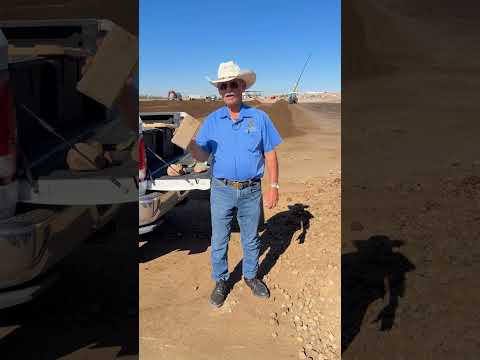
The speaker also warned of contamination problems when people dump trash with manure. About a year ago, the staff member said, workers found seven bricks mixed in with manure deposits; such debris "really binds up their equipment" and can damage machinery, the speaker said. The district said it wants to eliminate materials that can harm equipment so the practice can continue.
The staff member thanked Mayor Wilson, Darren, and sewer district staff for supporting the trial and described the method as an opportunity to care for the environment while reducing disposal costs. No formal vote or policy change was recorded in the transcript; the remarks were presented as operational practice and a community service.