Get Full Government Meeting Transcripts, Videos, & Alerts Forever!
Get email alerts on the Emergency Services topic
No spam. Unsubscribe anytime.
Cole County Emergency Services reports 14,000 calls in 2025, cites staffing and equipment investments
Summary
Emergency Services Chief Eric told the Cole County Commission that annual call volume rose to about 14,000 in 2025, a roughly 60% increase since 2019, and attributed a one‑time EMS fund deficit to timing of expenditures and a large ambulance purchase; he said staffing and an added medic unit have reduced workload on the busiest unit.
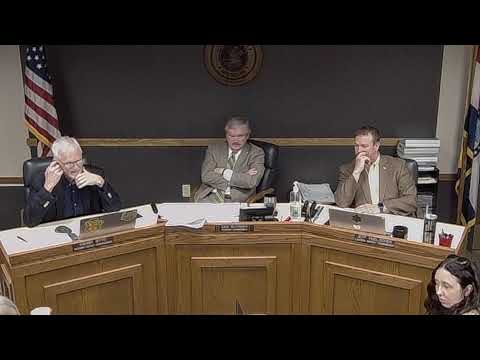
Cole County Emergency Services reported a substantial rise in demand in 2025, with total calls for service reaching about 14,000, Emergency Services Chief Eric told the commission on March 10.
The chief said the 2025 total represents about a 60% increase from 2019, when the county logged roughly 8,762 calls. He attributed the jump to steady increases across multiple call types rather than a single driving problem: "it's not any one problem ... it's spread out over, you know, basically it's just busier," he said.
Chief Eric walked commissioners through the department's 2025 annual report, noting organizational changes after the merger of emergency management into the agency and the addition of both full‑time and volunteer personnel. He said the department strengthened staffing and added an eighth medic unit and an extra ambulance downtown, which has reduced the caseload on the previously busiest medic unit by about 432 calls.
The annual report showed deficit spending in the EMS fund of roughly $1.4–$1.5 million; the chief explained that timing of expenditures and roughly $1 million in ambulance purchases produced the accounting shortfall rather than a structural operating deficit. "That does not represent a structural deficit," he said, describing the ambulance purchases and budget timing as the primary drivers.
On recruitment and retention, the chief highlighted the department's EMT training program, saying the latest class includes about 15 students and that the agency spent much of the year at or near full staffing. He also noted community engagement and clinical recognition: "we were also ... awarded the 2025 Mission: Lifeline Gold," marking consecutive recognition for clinical metrics.
Commissioners asked how the department is sharing the report with residents. The chief described planned outreach to the commission, the public‑safety committee and civic groups and said staff use Facebook and LinkedIn and will brief Rotary and Lions Club audiences. "I'll present the hard copy to the commission ... and the public safety committee," he said.
Why it matters: rising call volumes and the recent capital purchase underscore both operational pressures and equipment costs that affect EMS finances. The chief characterized current cash flow as positive on an ongoing basis but warned that large capital purchases and the timing of costs should be monitored during the budget process.
The commission did not take formal action on the annual report; the chief said a digital copy of the 2025 report is available on the EMS website and offered to answer follow‑up questions.