Get Full Government Meeting Transcripts, Videos, & Alerts Forever!
Get email alerts on the Narcotics And Export Controls topic
No spam. Unsubscribe anytime.
Committee presses State Department on INL priorities, AUS implementation and AI chip export vetting
Summary
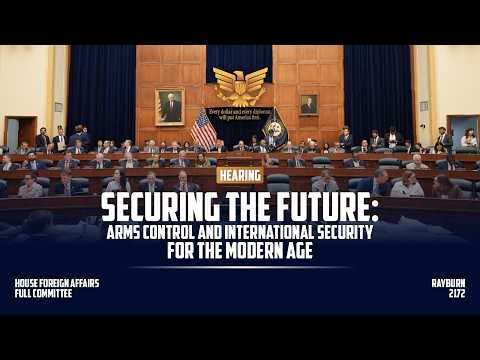
Lawmakers probed the State Department about International Narcotics and Law Enforcement Affairs' role in countering fentanyl trafficking, the implementation of AUS security cooperation, and how export-control processes vet exports such as H200 AI chips to China.
Members of the House Foreign Affairs Committee questioned Under Secretary Thomas G. Dano about how the State Department is reorganizing and repurposing security assistance to focus on dismantling cartels, how it coordinates with the Department of Commerce on export controls for advanced chips, and how AUS (Australia–United Kingdom–United States) mechanisms will be streamlined.
On counternarcotics, Representative Madeleine Dean asked for evidence regarding interdictions and whether INL—s reprioritization has reduced support for prosecutors and investigations. Dano said INL maintains a global footprint and that a recent security-assistance review repurposed and narrowed many programs to prioritize dismantling cartels and law-enforcement capabilities. "I spent an hour and a half yesterday with all the INL country directors... understanding what their programs do," Dano said, and he offered to provide additional briefings.
On export controls, committee members pressed Dano about the administration—s direction to permit H200-class AI chip sales to China under national-security guardrails. Dano said the State Department participates in licensing reviews and coordinates with BIS and intelligence partners on vetting end users: "We review every license application... any information that we would be concerned about we absolutely flag as part of that process."
On AUS implementation, Dano described the AUS senior-adviser office reporting to the under secretary and said he and AUS coordinators from the UK and Australia have recently met to remove regulatory friction. He described the AUS process as "the canary in the coal mine" for broader defense-industrial base and streamlining innovations.
Ending: Members sought follow-up briefings and material on INL program reviews, export-control vetting and AUS implementation. Dano offered to return with additional details and classified/closed briefings where necessary.