Get Full Government Meeting Transcripts, Videos, & Alerts Forever!
Get email alerts on the Oversight Iran topic
No spam. Unsubscribe anytime.
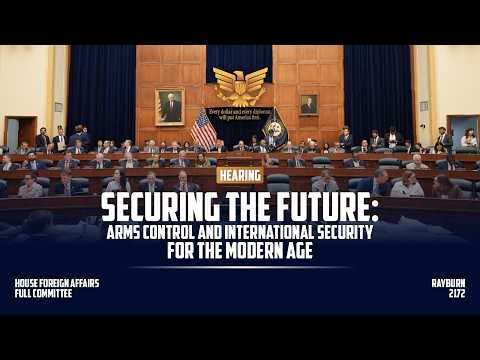
Push for public oversight of Iran war fails in committee vote
Summary
Ranking Member Gregory Meeks moved to subpoena senior administration advisers for a public hearing on the Iran war; the committee considered the motion and a roll-call vote ultimately failed 22-24. Members repeatedly urged public testimony and greater transparency.
Ranking Member Gregory Meeks told the House Foreign Affairs Committee that the American people deserve public testimony on the administration—s strategy and decisions in the ongoing war with Iran, including the rationale, diplomatic efforts pursued and the projected costs.
"The American people deserve transparency and accountability on a conflict of this magnitude," Meeks said during his opening statement and later moved that the committee subpoena Secretary of State Marco Rubio and senior advisers Steve Wickoff and Jared Kushner for public testimony.
The committee considered the motion twice. After debate, the committee ordered the previous question and proceeded to a roll-call vote. The final tally on the motion was 22 in favor and 24 opposed, leaving the motion to subpoena defeated.
Why it matters: Members on both sides expressed frustration about the lack of a comprehensive public accounting of the administration's strategy, the objectives of U.S. involvement and the $200 billion supplemental request cited in the hearing. Supporters of the subpoenas argued that key advisers had spoken to the press and the Senate and should publicly answer members' questions in an open forum; opponents emphasized that certain diplomacy and intelligence matters are sensitive and that classified briefings remain available.
What the vote shows: The narrowly divided vote indicates bipartisan concern about oversight but also a split about the best path for the committee—s scrutiny of a live military contingency.
Next steps: Members on both sides said they would continue to press for further briefings, seek additional testimony, and pursue oversight options going forward.