Get Full Government Meeting Transcripts, Videos, & Alerts Forever!
Get email alerts on the Curriculum Policy topic
No spam. Unsubscribe anytime.
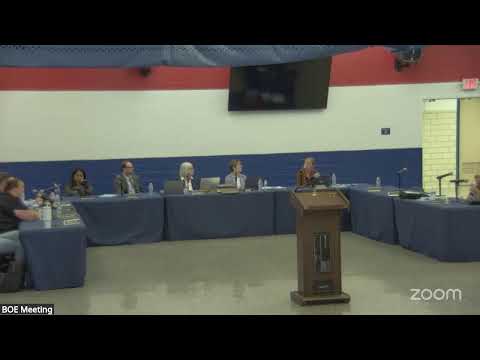
Board tables revised curriculum regulation on "bias" after prolonged debate
Summary
Board members split over proposed changes to regulation 2200, which would require curriculum and materials to address bias and discrimination; trustees expressed concern that vague language could be interpreted to exclude canonical literature and asked policy committee for clearer, narrower language.
The Berkeley Heights Board of Education voted to table revisions to regulation 2200 (curriculum content) after a lengthy, sometimes heated debate about language on bias and discrimination.
Trustees who opposed the current draft warned the regulation's phrasing — which directs staff to "develop a process to address and eliminate any possible bias in the curriculum" — could be read to limit study of important but historically biased texts. "It's much better for kids to detect bias," board member Dr. Tom Forager said during the discussion, arguing that curriculum should teach students how to analyze authors' perspectives rather than remove works that contain historical bias.
Others said the regulation is intended to ensure curriculum fairness and to provide a procedure for addressing discriminatory content; trustees and administration agreed that the draft needs clearer definitions to prevent subjective application. Board member Mrs. Airi noted that the word "bias" is not defined in the proposed regulation and expressed concern about inconsistency in interpretation.
Action taken: after extended discussion and attempts to carve out language, the board voted to table regulation 2200 and return it to the policy committee for detailed redrafting and definition of key terms. Administration said the regulation would come back through committee for a more precise approach that preserves access to literature while reinforcing equity and instructional practices.
Why it matters: the regulation governs curriculum implementation across the district and could affect what instructional materials are reviewed, how teachers handle sensitive historical content and how families perceive district priorities. Trustees emphasized that any changes must strike a balance between equity and academic freedom.
Next steps: the policy committee will rework the language, add clearer definitions and return a revised regulation to the full board; trustees indicated they would expect public notice and additional committee-level discussion before a second reading.