Get Full Government Meeting Transcripts, Videos, & Alerts Forever!
Get email alerts on the Yard Ordinance topic
No spam. Unsubscribe anytime.
Grandview Heights delays yard-care ordinance after hours of public comment and council edits
Summary
After extensive public testimony urging protection for native plantings and debate over safety and enforcement, Grandview Heights council scheduled a March 30 work session to redraft Ordinance 2026-07 governing front/side-yard and tree-lawn plantings; staff said right-of-way limits are rooted in public-safety concerns.
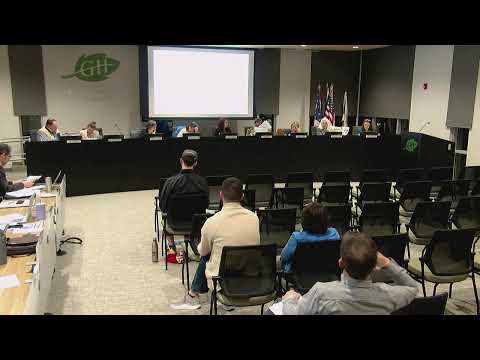
Dozens of residents spoke at Grandview Heights’ March 9 meeting urging the city to reconsider revisions to the proposed yard-care ordinance, arguing the changes would penalize longtime native gardens and harm pollinator habitat. Council responded by directing staff and council drafters to meet at a March 30 work session to produce a revised substitute before the ordinance’s third reading in April.
The debate centered on proposed definitions, enforcement and a 10-inch turf limit proposed for tree lawns in the public right-of-way. "I’m actually really disappointed to see the changes because to me they feel like we want Grandview to be a big old HOA," said Dora West, who identified herself from Broadview Avenue, arguing native plantings benefit pollinators and local ecology. Craig Toothman, a conservation volunteer, urged the council to consider insect declines and the role of connected native-plant corridors in supporting pollinators.
Administration described the proposed limits as narrowly focused on right-of-way safety and infrastructure access. Director Maxwell said enforcement of complaints was paused while staff researched peer cities, and that the draft preserves the city’s right to require a 10-inch limit for turf in the right-of-way while permitting non-noxious, non-turf plantings under clarified definitions. "We do feel more strongly about the right-of-ways because of the public safety aspect of it," Maxwell said, noting buried utilities, hydrants and the need for emergency access.
Council members proposed competing edits aimed at balancing resident flexibility with safety. Council Member Weiss suggested replacing a strict height number for ornamental plantings with a safety-based standard that they "shall not obstruct pedestrian or vehicular traffic." Council Member Kak sought to retain a prohibition on front- and side-yard "meadows" as previously adopted while adding a positive definition for "managed natural landscapes" that recognizes stormwater and biodiversity benefits. Several members emphasized education-first enforcement, including door-hanger notices and a soft-start approach rather than immediate fines.
City Attorney Kazan and staff also clarified existing code: planting in the public right-of-way remains subject to city control and, separate code provisions require clear access to fire hydrants and public infrastructure. Council and staff agreed that permitting language and the relationship between existing right-of-way code and any amended yard ordinance needed legal and administrative alignment.
Rather than vote on a final substitute, council scheduled a non-decision work session for Monday, March 30 at 6 p.m. to reconcile competing edits and return a clean substitute for consideration at the next regular meeting in April. The council emphasized that the objective is to protect public safety while preserving residents’ ability to maintain native and pollinator-friendly plantings when they do not obstruct access or sight lines.