Get Full Government Meeting Transcripts, Videos, & Alerts Forever!
Get email alerts on the Charter Schools topic
No spam. Unsubscribe anytime.
Legal firm outlines new charter renewal rules and oversight for Stockton Unified
Summary
A partner with F3 Law briefed trustees on AB1505-era changes to charter renewal: new performance tiers, stronger emphasis on dashboard/verified data, fiscal and governance denial grounds, revised timelines and the value of memoranda of understanding and enhanced oversight.
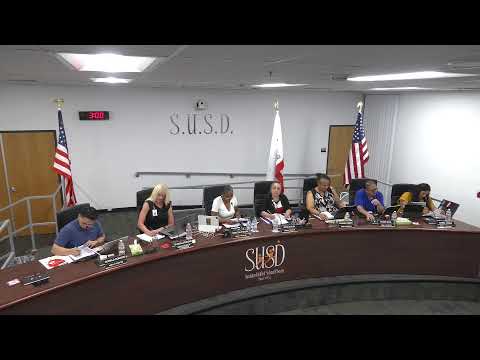
Lesie Locker, a partner with F3 Law, told the Stockton Unified School District board on Sept. 24 that the legal framework for charter renewals has shifted and that districts should prepare for more structured oversight and clearer documents with petitioners.
Locker said the state’s accountability tools and AB1505-era changes group charter renewal petitions into high-, middle- and low-performing tiers and alter the presumptions and remedies at renewal: high-performing charters receive presumptive approval but remain subject to denial for fiscal, governance or student-access grounds; middle-performing schools face an academic-focused review; low-performing charters are presumptively denied but may receive a two-year probation on narrow findings.
She advised trustees that early petition submissions complicate review because verified academic data (the dashboard and other measures) are often released in the late fall; she emphasized the district must give written notice and an opportunity to cure for fiscal or governance concerns before final action, and recommended stronger memoranda of understanding to define district–charter expectations.
Why it matters: The changes shift more weight to academic performance and clarified fiscal and governance criteria while preserving discrete pathways for appeal to county or state authorities. Trustees asked about corrective-action plans, annual oversight reports and whether the district currently places charters on formal corrective plans; counsel and staff said they are building a more systematic oversight program.
What the board did: The session was informational; trustees asked questions about timelines, oversight reports, and how to structure public hearings to ensure due process. No renewals were decided that night.
Ending: Staff said they will share oversight reports and be prepared to present full findings and recommended actions if a charter renewal petition is received within the statutory timelines.