Get Full Government Meeting Transcripts, Videos, & Alerts Forever!
Get email alerts on the Local Governance topic
No spam. Unsubscribe anytime.
City attorney outlines three options after errors found in improvement-district ordinance
Summary
Following public concern about the Kanawha and Pecan Lake improvement districts, the city attorney told the board March 17 there are three legal options — reappoint commissioners, allow a petition to county court, or abolish the district — and explained a drafting error that misstated term lengths.
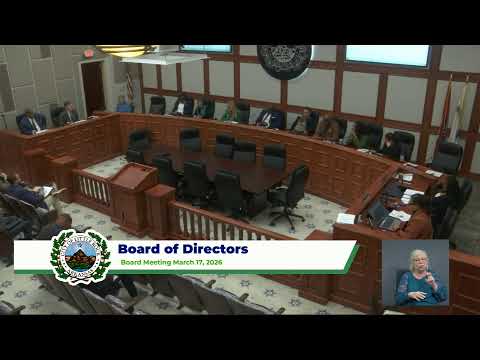
The Little Rock Board of Directors spent part of its March 17 meeting addressing governance problems in local improvement districts after residents and a public commenter flagged errors in ordinances that expanded commission terms.
Ed Buffington told the board that the expansion ordinance passed in 2021 contained errors and proposed two preferred solutions: dissolve the district and refund assessments, or amend the 2021 ordinance to comply with Act 1043 (2015) and set staggered three-year terms for commissioners. He said some documents contain typographical and legal errors that must be corrected.
City attorney Tom Carpenter told the board the city has three practical options: (1) have the current commissioners resign and the board appoint five commissioners, with terms drawn by lot to create one-, two- and three-year terms; (2) allow any 10 property owners to petition the county court to address the district issue, which would start a judicial process; or (3) abolish the district, divide assessed funds among property owners and end the district. Carpenter explained a drafting mistake that had set five-year terms instead of the statutory three-year terms when the district was expanded, and he noted that certain statutory remedies (cited as Ark. Code —S 14-86-402 in discussion) give authority to the county judge to resolve organizational problems.
Board members asked whether the 14-86-402 statute takes precedence over other improvement-district statutes; Carpenter said the statute provides a remedy and that the neighborhood should choose the preferred path. He recommended community outreach, a hearing to select commissioners and, if the board appoints a new commission, repealing the prior resolution to avoid ambiguity.
Ending: The board asked staff to distribute the attorney's memo and related documents to the neighborhood and to bring the issue back to a future meeting after the community reviews its options; no immediate action was taken at the March 17 meeting.