Get Full Government Meeting Transcripts, Videos, & Alerts Forever!
Get email alerts on the Planning Staffing topic
No spam. Unsubscribe anytime.
Planning staff debate: board weighs new director position against contracting and internal promotion
Summary
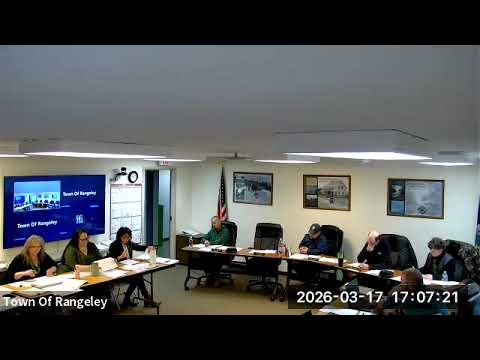
Board and Budget Committee debated whether to create a full-time community development/planning director position, promote a part-time code officer to full time, or rely on contracted planners as permit volume rises; committee recommended delaying the new position and using reserves for consultant support.
A key portion of the joint meeting centered on a proposal to restructure planning and code-enforcement staffing. The proposed structure described by staff would include one full-time community development planning director, one full-time code enforcement officer and one part-time deputy; the budget committee asked for another year of data before endorsing a new, permanent management position.
Breck, who presented planning metrics, told the group that permit volume has risen, including applications on lots that were previously unbuildable after recent state law changes. "He already has, I think, seven of those permits that have come through already," a participant said, noting an increase in workload in the first part of the year.
Opponents cautioned that creating a new full-time director imposes long-term obligations — not just salary but benefits, payroll taxes and retirement — and recommended temporarily using contracted professional services or promoting from within. "The worst thing you can do to a great employee is overload them with stuff to the point that they get resentful," a board member said, advocating for contracted planning help while tracking permit flow.
The packet discussed revenue and permit projections: building permit revenue was cited as $131,872.71 for 2025, while a 2026 estimate in the manager's budget was shown as $60,000. Board members asked staff to reconcile those figures and present a clearer revenue forecast at the next hearing.
Outcomes and follow-up: The board approved the planning budget recommendation in the series of motions, but members directed staff to provide further detail on permit revenue trends, overtime reductions tied to reclassification of positions and a comparison of consultant costs versus long-term salary obligations.
Why this matters: Planning and code enforcement capacity affects permit processing time, revenue from development activity and the town's ability to manage growth tied to recent changes in state law. The board emphasized fiscal caution before creating a new long-term payroll obligation.
Next steps: Staff will provide reconciled permit-revenue figures and a comparison of contracting vs hiring costs at the next budget hearing.