Get Full Government Meeting Transcripts, Videos, & Alerts Forever!
Get email alerts on the Tax Foreclosure Auction topic
No spam. Unsubscribe anytime.
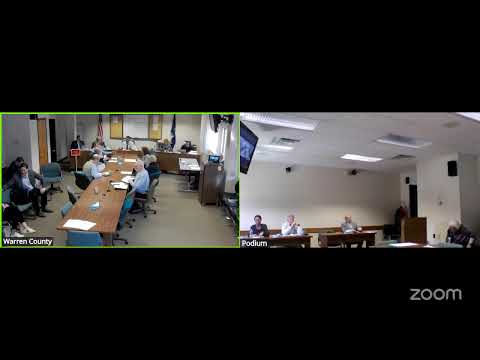
Warren County committee debates moving 2026 tax-foreclosure auction online; motion recorded two in favor, remainder opposed
Summary
The Warren County Environmental Concerns & Real Property Tax Committee heard a presentation from Director McQueen on a plan to move the 2026 tax-foreclosure auction online, sparking questions about local access, security and surplus proceeds; the motion to advance the item was recorded as two in favor and the remainder opposed.
Warren County officials discussed a proposal to move the 2026 tax-foreclosure auction to an online platform, with the county director outlining registration, bidding mechanics and legal risks and supervisors debating effects on local bidders and public safety.
“Part of your agenda, I have included some information… the ultimate goal is to put these parcels back on the tax roll,” Director McQueen told the committee, describing a plan that would run the auction over about two weeks, close registration two days before the sale, and extend bidding when offers arrive in the final 60 seconds.
McQueen said the online approach would expand the bidder pool and provide an auditable, time-stamped record of bids. She also raised security concerns for in-person sales, noting that previous auctions have had no sheriff presence and that implementing security could require budgeted overtime.
Committee members pressed several operational and policy questions. Supervisor Strainer asked where surplus proceeds (amounts paid above the tax debt) are held and for how long; McQueen said surplus funds currently sit in an attorney trust account and can be claimed during a three-year period, with courts directing release as appropriate. McQueen also told the committee about a pending court decision she said could change how surplus equity owed to former owners is treated.
Supervisors expressed concern that moving online could disadvantage residents without reliable internet access and may increase out-of-area investor purchases. “Locals could be outbid… there are people from Vermont and Massachusetts and downstate and New Jersey,” McQueen said, acknowledging the trade-offs between broader participation and local access.
The committee also discussed customary auction fees and bidder deposits. McQueen said the contracted auction company keeps a 6% fee and that winning bidders generally pay a deposit at sale (committee members referenced a typical 10% deposit). Committee members asked how refunds or buyer’s remorse are handled; McQueen said deposits are generally retained if a winning bidder backs out and contracts with the auction company specify the remedies.
When the chair called for a vote to move the item forward, the record shows two named supervisors were recorded as voting in favor (Supervisor Niles and Supervisor Eto) and that the remaining members voted opposed; the committee recorded the tally as two in favor and the remainder opposed.
Next steps: the committee recorded the motion and the vote as shown. Director McQueen said she had provided a cost comparison and would supply additional historical sale-rate data on parcel sales and the specifics of surplus-handling when requested.