Get Full Government Meeting Transcripts, Videos, & Alerts Forever!
Get email alerts on the Litigation topic
No spam. Unsubscribe anytime.
Law firms pitch Ann Arbor BOE on joining multi‑district lawsuit against Meta, TikTok, Snap and YouTube
Summary
Two law firms told the Ann Arbor Board of Education they can help the district join a consolidated multi‑district litigation alleging social‑media platforms have harmed students and schools; firms proposed a contingency fee arrangement and sought board authorization to explore retention.
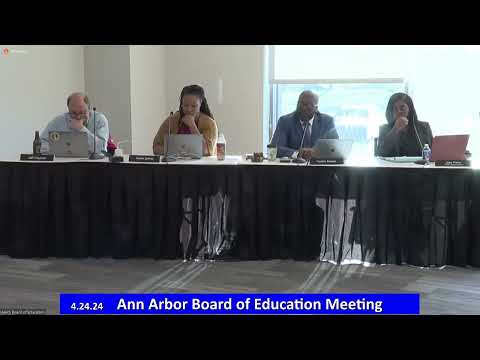
Attorneys from the Bernstein firm and Whites & Luxembourg made a formal pitch to the Ann Arbor Board of Education to sign on to a national, multi‑district litigation against major social‑media companies, arguing the platforms have disrupted school days and imposed costs on districts.
Mark Bernstein opened the presentation by framing the case as a follow‑on to other public‑entity litigation the firms have handled. "What we're here to talk about today is litigation that's emerging involving school districts holding social media companies accountable for the damages they've caused educators and our community," Bernstein said.
Paul Novak and James Bilo (referred to in the presentation) described legal theories the teams are advancing — principally public nuisance and negligence — and outlined two categories of recovery: reimbursement for out‑of‑pocket costs (for example, added security or mental‑health supports) and abatement remedies intended to change platform conduct.
The firms named Meta, TikTok, Snap and YouTube as primary defendants and cited internal documents they say show platform strategies to engage youth during school hours. "These companies have strategies to deliberately target our children during school hours," James Bilo said, adding that the litigation seeks both money to cover district costs and injunctive relief to change platform behavior.
Trustees asked detailed questions about timeline and risk. Presenters said bellwether trials and consolidated discovery are already under way in federal court in California; they estimated typical litigation of this type can take three to six years, though timelines vary and some early trials are scheduled soon. The firms said their standard retention would be contingency‑fee based — the district would not owe fees unless there is a settlement or verdict — and they would advance costs up front.
Board President emphasized the need for orderly public discussion and for any formal action to come back to trustees in a clear resolution. The board did not make a final decision to retain counsel at this meeting; staff said the district would consider next steps and a possible vote at a future meeting.
What's next: firms said they can help the district gather facts needed to assess damages and would bring a proposed retention agreement for board consideration if trustees want to proceed.