Get Full Government Meeting Transcripts, Videos, & Alerts Forever!
Get email alerts on the Redistricting topic
No spam. Unsubscribe anytime.
Lawmakers, civil‑rights lawyers and members of Congress urge maps that preserve Black voting opportunity at Senate redistricting hearing
Summary
At a Louisiana Senate committee hearing, sponsors and civil‑rights attorneys backed Senate Bill 407 and urged maps that preserve meaningful opportunity for Black voters after the Supreme Court’s Calais decision; visiting members of Congress testified in favor of fairness and community input.
Senator Price introduced Senate Bill 407 on the floor of the Senate redistricting committee, saying the measure would update Louisiana’s 6th Congressional District with a validated 2026 precinct shapefile and set a transition timeline so new boundaries govern elections for positions filed after Jan. 3, 2029. The sponsor said the bill protects incumbent terms and aims to ensure population equality consistent with the Fourteenth Amendment.
Supporters framed SB 407 as a practical response to the U.S. Supreme Court’s recent Calais decision. Senator Duplessis told the committee the ruling narrowed the remedial tools available under the Voting Rights Act and urged lawmakers to draw maps grounded in voting behavior and political geography so Black Louisianians retain the opportunity to elect candidates of their choice. “This committee has the math. This committee has the legal road map. The question is, will this committee and this legislature have the courage?” he said.
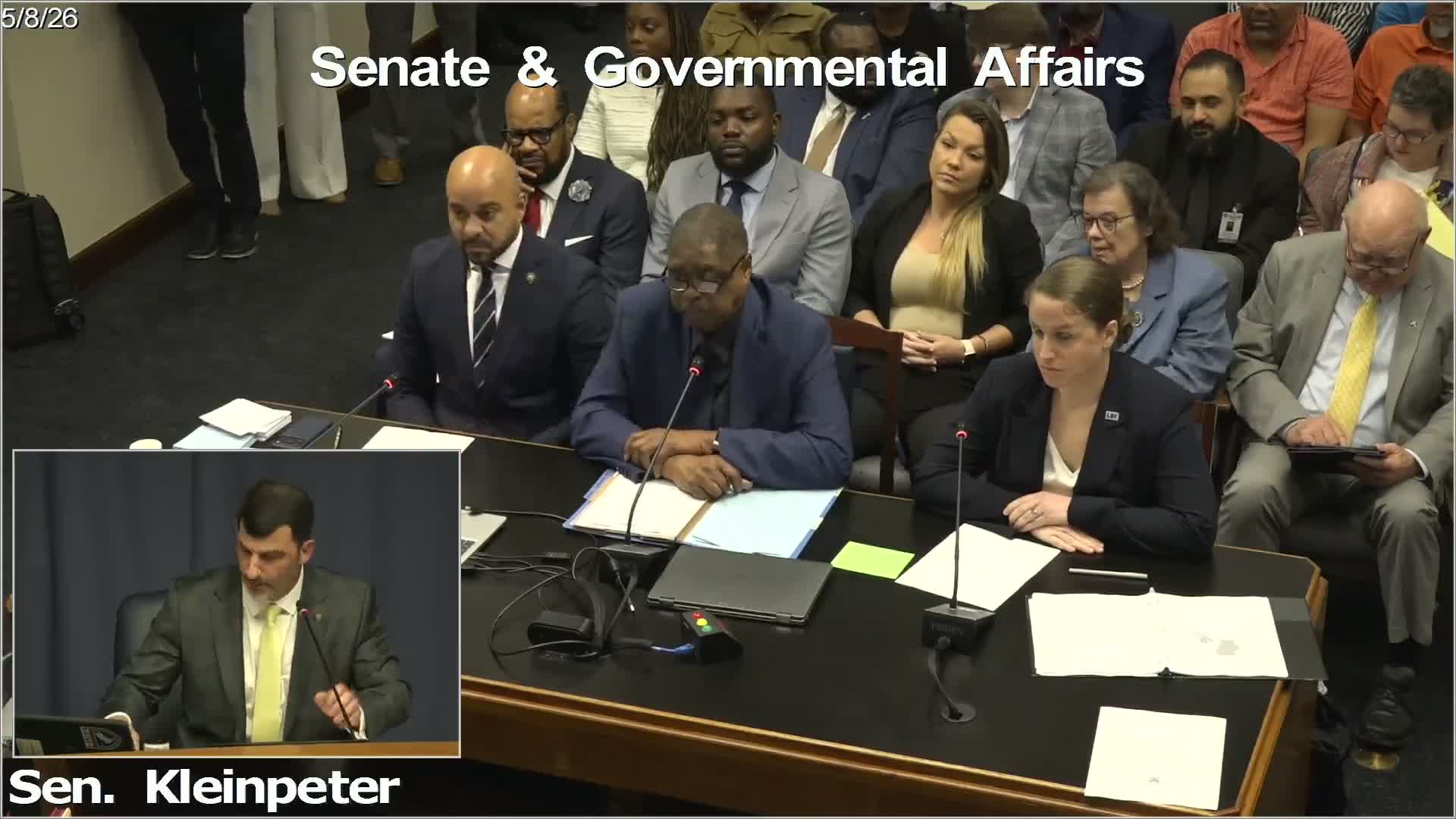
Victoria Wenger, an attorney for the Legal Defense Fund, testified that the bill reflects a map offered during prior litigation and that there are race‑neutral mapping options that comply with the Court’s guidance while still enabling electoral opportunities for Black voters. Wenger recommended a substitute map and more transparent community input so residents can review alternatives and the legislature can respond to public feedback.
Four members of Louisiana’s congressional delegation addressed the committee. Congressman Troy Carter urged senators to put fairness ahead of partisan considerations and described the moment as a test of the state’s commitment to representative democracy. Former Congressman William Jennings Jefferson recounted historical disenfranchisement and asked lawmakers to focus on remedies the Court left available. Former Congressman Cedric Richmond asked lawmakers to consider long‑term constituent interests rather than short‑term electoral advantage; Congressman Cleo (Khalil) Fields described his prior experience chairing redistricting efforts and said he supports a plan the committee can defend in court.
Committee members questioned whether SB 407 should be one of several options advanced by the committee; presenters said the map is compact, reduces split parishes and precincts relative to the previously adopted plan, and was designed to be legally defensible. Senator Jenkins and others asked iteratively whether the map provides realistic opportunities for minority voters and whether it meets the court’s limits on the use of race in districting.
The chair said the committee will seek follow‑up information from the secretary of state on the suspension of the congressional election and ballot preservation and will continue considering map options in subsequent meetings. Public testimony was scheduled to follow the presentation of other bills.
The committee did not take a vote on SB 407 at the hearing; lawmakers said they expect additional review, potential substitutes and public input before advancing a final plan.