Get Full Government Meeting Transcripts, Videos, & Alerts Forever!
Get email alerts on the Equity Policy topic
No spam. Unsubscribe anytime.
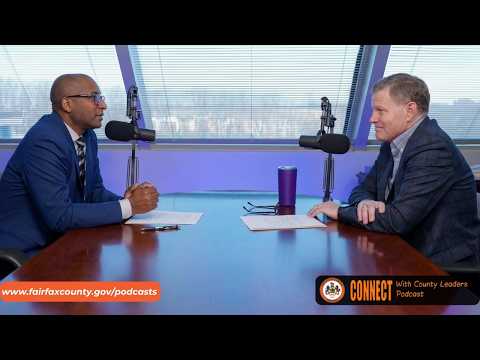
Chairman McKay traces One Fairfax policy to school‑budget dispute and joint committee
Summary
Jeffrey McKay told the podcast that the One Fairfax policy grew out of a school budget dispute and a joint county‑school committee; the resolution was adopted by both boards and later institutionalized as county policy to target root causes of poverty and inequitable outcomes.
Jeffrey McKay said the One Fairfax policy began as a response to a contested school budget decision and a recognition that piecemeal program additions would not close outcome gaps.
"We said let's have a real hard conversation about root causes of poverty," McKay said, recounting a dispute that led the chairman at the time to establish a joint county‑school committee (which he called the "skip" committee). McKay said he and Supervisor Cathy Hudgins were appointed to the committee and that the process produced new programs and ultimately a resolution that the county board and the school board adopted.
McKay described One Fairfax as more than a symbolic pledge; he said it became policy to ensure equity considerations are embedded across county actions, and he emphasized the policy's focus on outcomes rather than redistributing resources from one person to another.
He told the podcast the policy has led to changes in county practice, saying, "this policy is not only improving the lives of people in the county, but it's also making sure that our staff and our community focus on this issue of equity in a different way." McKay credited the joint committee process with producing a strategic plan and more intentional policy implementation.
The interview did not include specific metrics or evaluations showing measurable changes in outcomes since the policy's adoption; McKay described programmatic focus and institutional shifts without providing detailed outcome data during the conversation.