Get Full Government Meeting Transcripts, Videos, & Alerts Forever!
Get email alerts on the Single Use Plastics topic
No spam. Unsubscribe anytime.
Yarmouth grants temporary waivers as restaurants test single‑use plastic replacements
Summary
The Board of Health allowed short term extensions for two local food businesses to use existing stock while they test compostable/alternative packaging; the board asked businesses to share successful samples and return with results in October.
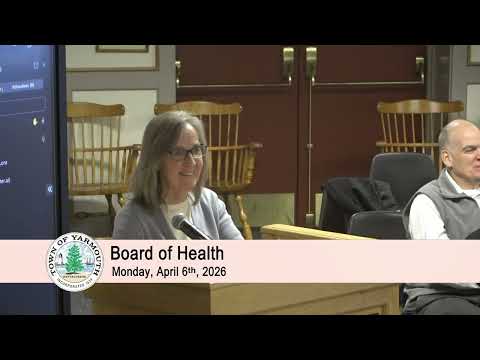
The Yarmouth Board of Health on April 6 granted temporary waivers and deadline extensions to food establishments seeking replacements for single‑use plastic products required by the town's plastic‑reduction regulation.
Representatives of Papuccinos described testing replacement containers after sampling failures: Peter Gillespie and area manager Michelle Okonnell said one sample cup “actually melted” during use and that they need time to test alternatives and evaluate costs. Gillespie asked the board for an extension so the restaurant could test products and return with validated samples; a board member moved to give Papuccinos until early October to report back and the motion carried.
Old King's Coffee owner Mark Corass asked for a waiver on cold beverage cups because branded inventory must be ordered months in advance. Corass said his locations currently hold “probably six to eight months worth of cups… almost $20,000 worth of cups.” The board voted to allow use of existing inventory and set a common follow‑up date in October for establishments to report on substitutes.
Board staff encouraged businesses to provide sample products for a shared office 'library' of acceptable replacements and asked vendors and distributors to help by supplying trial samples. The board noted it had incorporated waiver language into the regulation anticipating supply and substitution challenges and said it will continue to accept waiver requests while suppliers scale up.
The board emphasized public‑health and environmental goals while acknowledging cost pressures on seasonal and small‑margin businesses; it asked establishments to document testing and share successful replacements with peers and staff.