Get Full Government Meeting Transcripts, Videos, & Alerts Forever!
Get email alerts on the School Consolidation topic
No spam. Unsubscribe anytime.
Vigo County oversight board hears residents and students on school consolidation, funding shortfalls
Summary
At an oversight board meeting on the Vigo County school consolidation plan, board members and staff outlined declining enrollment and funding gaps while dozens of residents and students urged the board to preserve neighborhood high schools and address deferred maintenance; no final decision was made.
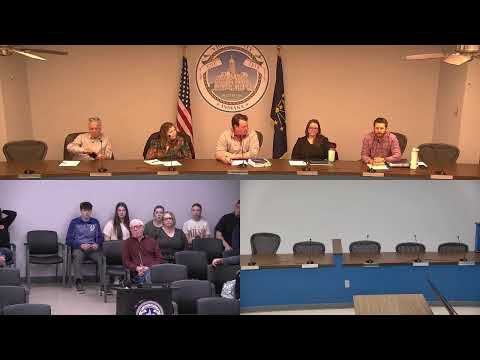
At an evening meeting of the oversight board formed to review Vigo County’s school consolidation plan, board members heard a mix of support and concern from residents, students, educators and local officials while staff detailed steep enrollment declines and chronic maintenance shortfalls that officials say limit options.
Oversight board member Mark Matheni told attendees the board’s role is “to provide an independent oversight essentially of the school corporation consolidation plan and the county finances,” and summarized figures the board says are shaping its review: district enrollment has fallen from more than 21,000 at its peak to about 12,444 today; North and South high schools are roughly 60% full; and the district is carrying a long‑running funding gap the board estimates at about $11.7 million since 2010 because state per‑student support has not kept pace with inflation.
Those figures framed the debate. “We fully realize this is not just a financial decision. We realize this is a community decision,” Matheni said, later noting a consultant’s finding that the district’s tax rate (reported in discussion as roughly 0.9053 per $100 of assessed value) ranks in the bottom third among similarly sized Indiana school corporations, and that low assessed values limit local revenue.
The board’s public comment period drew dozens of speakers. Bob Rhodess, identifying himself as a Vigo County resident, urged the oversight board to support the school corporation’s plan as the best compromise among available options. Student speakers from West Vigo High School described smaller class sizes and close teacher‑student connections and said losing a neighborhood high school would erode community ties. “West Vigo is more than just a building,” Reagan Taylor said. “It’s a place where students grow, learn, and prepare for their future.”
Opponents warned that consolidation could diminish community identity and worsen transportation times. “Combining those two into approximately 3,000 kids has a laundry list of negatives,” said Rosemary Scott, citing concerns about students feeling lost in a larger school.
Several speakers emphasized urgent facility needs. Students from West Vigo and educators described leaky roofs, loud or failing HVAC units, cracked tennis courts and auditorium seats falling apart. Joseph Kaine, a West Vigo student, said recent classroom renovations risked stopping after cosmetic updates and urged a longer‑term commitment to fixing core systems.
School officials, identified in the transcript as Dr. Himel (spelled variously in the record), outlined decades of deferred maintenance and pressed the scale of the financial challenge. The official said a prior renovation estimate to modernize the two larger high schools was in the range of $252 million (and that including West Vigo would push the total toward $350 million), and that an annual preventive‑maintenance need across the district is roughly $23 million while the district currently can afford about $9 million. “We can’t sustain taking care of 23 schools,” the official said, describing a history of repairs postponed over decades that compounded costs.
The meeting also featured appeals from business and civic representatives. Kristen Craig of the Teroot Chamber of Commerce and school board member Rick Burgerer argued modernized high schools can catalyze development; Burgerer said several prospective employers had preferred neighboring communities after brief facility tours. “We choose Columbus because your school systems are 70s,” he recounted, linking facilities to economic recruitment.
Not every claim at the microphone reflected an official finding. A public commenter, Dwayne Malone, said an ongoing FBI investigation has harmed community trust; the meeting record shows the allegation was made by the speaker but the board did not present it as a confirmed finding during the session.
Board members closed by thanking speakers and urging continued public engagement; they repeatedly said no final consolidation decision has been made and that multiple options remain under consideration. The session ended after routine motions to approve the prior meeting minutes and adjourn.
Next steps: the oversight board will continue its review with public input, financial analyses and consultant detail; no formal votes on consolidation were taken at this meeting.