Get Full Government Meeting Transcripts, Videos, & Alerts Forever!
Get email alerts on the Monetary Policy topic
No spam. Unsubscribe anytime.
FOMC leaves federal funds target range unchanged, cites inflation easing and Middle East risks
Summary
The Federal Open Market Committee kept the target range for the federal funds rate at 3.50%–3.75%, saying inflation has eased from 2022 highs but remains above the 2% goal and that recent Middle East developments create uncertain near-term risks to the U.S. outlook.
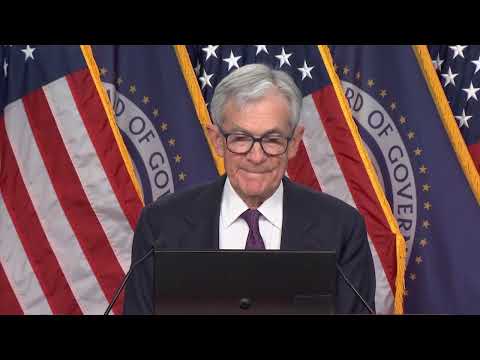
The Federal Open Market Committee on Friday decided to maintain the target range for the federal funds rate at 3.50% to 3.75%, the chair said, describing the current stance of policy as appropriate to promote progress toward maximum employment and the Fed’s 2% inflation goal.
In a briefing explaining the decision, the chair said the U.S. economy has been expanding at a solid pace, consumer spending remains resilient and business fixed investment continues to grow, while job gains have been relatively low and the unemployment rate has been little changed in recent months.
The committee emphasized that inflation has declined substantially from its mid‑2022 peak but remains “somewhat elevated” relative to the Fed’s longer‑run 2% objective. The chair noted that total personal consumption expenditures (PCE) prices rose 2.8% over the 12 months ending in February, and that core PCE—excluding food and energy—rose 3.0% over the same period.
Officials singled out the goods sector for elevated inflation pressures, saying tariffs have contributed to higher prices for goods. The chair also linked a recent jump in oil prices to supply disruptions in the Middle East and said that near‑term inflation expectations had risen in recent weeks, likely reflecting the energy shock; longer‑term expectations, the chair said, remain generally consistent with the 2% goal.
The committee released updated Summary of Economic Projections figures showing median participants expect real GDP growth to be roughly 2.4% this year and 2.3% next year, and that the unemployment rate is projected to be about 4.4% at year‑end. The SEP also shows projected total PCE inflation somewhat above 2% this year before moving closer to the target next year.
The chair reviewed recent policy moves, noting that from last September through December the committee lowered its policy rate by three‑quarters of a percentage point, bringing the policy rate into a range the statement described as within plausible estimates of neutral. The chair said that this normalization of the policy stance should help stabilize the labor market while allowing inflation to resume its downward trend toward 2%.
On the decision process, the chair stressed the committee will continue to assess incoming data and the evolving outlook and that monetary policy is not on a preset course: “We will make our decisions on a meeting‑by‑meeting basis,” the chair said.
Looking ahead, officials said they will remain attentive to risks to both sides of the dual mandate—maximum employment and price stability—and will be prepared to adjust policy as appropriate in response to incoming information.
The committee’s statement and the SEP accompanying it provide the most recent set of participant projections; no additional vote tallies or individual votes were provided in the remarks.