Get Full Government Meeting Transcripts, Videos, & Alerts Forever!
Get email alerts on the School Health Behavioral topic
No spam. Unsubscribe anytime.
Taos schools join multi‑district pilot to prioritize student behavioral health
Summary
Taos Municipal Schools described a restorative‑justice‑based Behavioral Health Initiative pilot focused on grades 5–9 — including trusted‑adult surveys, daily community circles, wellness rooms, and partnerships with local behavioral‑health providers — and committed to periodic progress reports to the board.
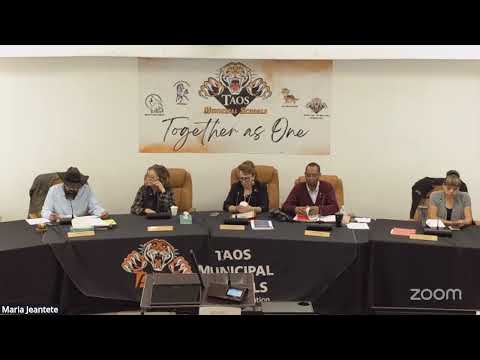
Taos Municipal Schools leaders on March 4 described the district’s role in a six‑district, state‑supported Behavioral Health Initiative aimed at building a multi‑layer system of student behavioral‑health supports.
At a presentation to the school board, presenters including Emmy Martinez and middle‑school principal Linda Martinez said the pilot focuses initially on grades 5 through 9 and emphasizes restorative justice practices, consistent trusted‑adult relationships and daily community circles. The district has trained fifth‑grade, ninth‑grade and middle‑school teachers and reported that roughly 78–80 percent of middle‑school students already identify a trusted adult at school, based on a recent survey described to the board.
"The idea is for each student to have a consistent, safe and supportive person that they can turn to," Linda Martinez told the board, describing the survey results and early circle work at multiple sites. District staff said community circles and well‑staffed wellness rooms let students regulate emotions, reflect, and rejoin learning with a plan to repair harm where needed.
District staff described partnerships with local providers (identified in the presentation as TALive and TA behavioral‑health partners) who run daily circles at the high school wellness room, and a behavioral‑health initiative team that pulls together counselors, nurses, social workers and partner agencies to coordinate services across sites.
Board members pressed staff on outreach and parent engagement. Vice President Spray asked the presenters to return periodically with updates; staff agreed to provide follow‑up briefings and to share training milestones with the board. The board also discussed training expansion timelines that would roll the initiative to additional grade levels over several years.
The district framed the pilot as both preventive and restorative: staff described cases where circles helped two students avoid a physical fight and instead led them to apologize and repair the relationship. Officials said the district is working with the state’s program office to meet reporting deadlines and to refine a behavioral‑health "matrix" that will align restorative responses across schools.
Next steps include continued training, expanding the trusted‑adult assignment to students who lack one, and scheduled progress reports to the board on implementation and outcomes.