Get Full Government Meeting Transcripts, Videos, & Alerts Forever!
Get email alerts on the Safe Bots Act topic
No spam. Unsubscribe anytime.
Safe Bots Act would bar chatbots from impersonating professionals, require disclosures and crisis hotlines for minors
Summary
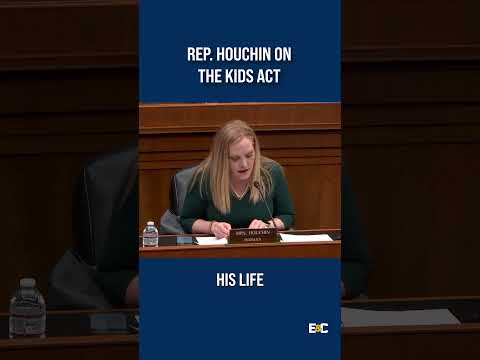
A presenter urged adoption of the Safe Bots Act to protect children from emotionally manipulative chatbots, saying the bill would ban impersonation of licensed professionals, require platforms to disclose AI interactions to minors, provide crisis hotlines, prompt breaks, and direct the NIH to study long-term effects.
A presenter urged passage of the Safe Bots Act, saying it would set baseline safety rules for conversational AIs used by children and require platforms to disclose when users are talking with software rather than a person.
"Kids today aren't just scrolling feeds. They're forming emotional bonds with AI companions that simulate empathy, mimic authority figures, and are available at any hour," the presenter said, arguing those features can produce real-world harms when young people do not realize they are speaking with an AI. He cited what he described as a recent tragedy in which a 14-year-old "lost his life after months of conversations with a chatbot that validated his most troubling thoughts rather than routing him to real help," using the case to illustrate the stakes.
The presenter said the Safe Bots Act would "create common-sense baseline guardrails." Under the proposal, platforms that host conversational AI would be required to prevent AIs from impersonating licensed professionals such as doctors or therapists and to provide age-appropriate disclosures so minors understand they are interacting with software rather than a person. "It prohibits AI from impersonating licensed professionals," he said, and requires disclosures so minors always know they are talking to an AI.
He also described several operational requirements in the bill: platforms would need to provide an immediate crisis hotline when a minor raises self-harm or suicide, include "reasonable take-a-break prompts" after extended interactions, and the legislation would direct the National Institutes of Health to study the long-term mental-health effects of chatbots on minors. The presenter framed the NIH study as a way to build an evidence base for future regulation.
The presenter characterized the package as preventive and research-oriented rather than punitive. He said the combination of disclosure, limits on impersonation, crisis interventions and research would reduce the risk that children receive encouragement of self-harm from automated systems. No votes or formal committee actions were recorded in the transcript excerpt.