Get Full Government Meeting Transcripts, Videos, & Alerts Forever!
Get email alerts on the School Schedule topic
No spam. Unsubscribe anytime.
Students tell board to keep daily "pause" period, saying it's vital for athletes and mental health
Summary
Dozens of students told the board that eliminating the daily 'pause' study period would harm student athletes, extracurricular leaders and those needing one-on-one help; trustees debated supervision and participation problems before deferring changes and directing further review.
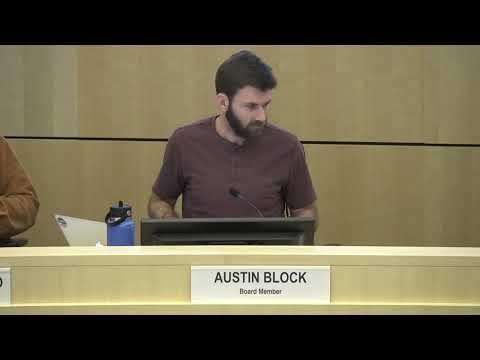
Newark, Calif. A steady stream of Newark Memorial High School students told the New Jersey Avenue district board on Wednesday that removing the school's "pause" period — a short daily study-hall — would leave many learners without time to make up work, meet teachers, or attend leadership and club responsibilities. "Pause is the only built-in time athletes have to make up exams and quizzes missed while traveling for games," said Chase Tavaris, an incoming sophomore and multi-sport athlete. Several other students including Jacqueline Torres and Victoria Rodriguez described similar needs: making up tests, getting teacher help outside of class, balancing multiple AP courses and leadership roles, and tending to mental-health needs. Students and parents said the timing changes and a shortened lunch make it difficult to meet teachers outside class and that shifting interventions to before or after school would not work for those who must leave campus early for practices or lack reliable transportation. Board members acknowledged the concerns and the district's competing priorities. Some trustees cited significant discipline and supervision challenges during pause periods — including observations from walkthroughs that many students did not use the time for academic work — as reasons staff proposed removing pause in favor of other intervention structures. Others advocated for a targeted fix rather than wholesale elimination. "We shouldn't throw the baby out with the bathwater," Member Block said, urging refinement of how pause operates rather than outright cancellation. Member Hill recommended retrofitting the existing model with clearer supervision and assignment to classrooms. District staff said pause participation had been inconsistent — roughly 400 of about 1,200 students were signed up during a typical pause window while many others were observed off-task or off-campus — and that administrators planned to pause the program and return with a revised plan aimed at genuine instructional minutes and safety. The board did not immediately enact a final schedule change at the meeting; discussions continued late into the agenda, and trustees asked staff for further data on affected students and detailed proposals for alternative interventions before a final policy change. What happens next: Staff will compile participation and discipline data, explore supervised-classroom models used elsewhere, and return with proposals and implementation implications (schedules, master-schedule impacts, and supports for student athletes) before finalizing any change to pause.