Get Full Government Meeting Transcripts, Videos, & Alerts Forever!
Get email alerts on the Public Health topic
No spam. Unsubscribe anytime.
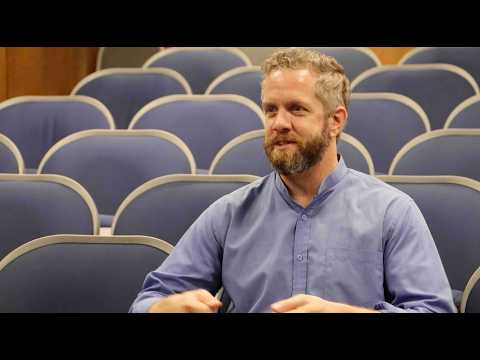
Wyandotte County health manager says $5 million allocation and ARPA funds enabled mass COVID vaccination effort
Summary
Wesley McCain, manager of community health at the Wyandotte County Health Department, said a $5 million local allocation plus FEMA reimbursements and ARPA funding made rapid testing and mass vaccination sites — including a converted Kmart and mobile units — possible, serving about 5,000 households (≈17,000 people).
Wesley McCain, manager of community health at the Wyandotte County Health Department, said timely local and federal funding allowed the department to stand up mass testing and vaccination sites during the COVID-19 pandemic.
"If we hadn't been able to get the funding, the car would have stopped," McCain said, using a funding metaphor to describe piecing together federal, state, local and foundation dollars to pay contracted nurses and buy supplies for clinics.
McCain said the county commission approved a $5 million allocation for the department; later in the year, he said, FEMA's Public Assistance program reimbursed almost all of that amount back to the UG. "We got almost all of the 5 million that the commission gave us back," he said.
ARPA funds also contributed: McCain said funding through the American Rescue Plan Act began flowing in March 2021 and the department received its first allocation around August 2021. Those funds, he said, helped pay for supplies and operations at large sites.
The department operated a large mass vaccination site in a former Kmart that McCain said ran for about a year and was supplied with equipment purchased quickly amid national shortages. He described buying commercially available freezers from a local restaurant supply store in the West Bottoms and having them at the site the following day to meet vaccine storage needs.
McCain also described a mobile vaccination unit that delivered vaccines to people unable to access fixed sites, including homebound residents; the effort involved partnerships with food and delivery organizations and contact-tracing staff to identify recipients.
By the end of the period McCain described, the combined testing and vaccination programs had served roughly 5,000 households — about 17,000 people, he said.
McCain framed the financing as essential to the response: "Having the funding available to be able to do that during the response was really critical," he said, adding that reliable funding gave organizers confidence to solve operational problems.
The account provided by McCain describes local operational choices and funding flows; the transcript does not include formal motion text, vote tallies, or further administrative details about the commission allocation beyond McCain's statements.